Bathroom Mold: How to Remove & Prevent It (2026)
Remove bathroom mold from ceilings, walls, and grout. DIY cleaning steps, when to call a pro, and the ventilation fixes that stop it coming back.
You've scrubbed the black line along the tub caulk twice this month, and it's back again. That's everyone's first move, and in fact it isn't wrong, it's just half the job. Removing bathroom mold permanently means two things: clean the growth you can see, then fix the moisture that grows it. Tile and glass come clean with detergent and water. Grout needs 10 to 15 minutes of contact time. Caulk with mold in it gets replaced, not scrubbed. After that, the exhaust fan runs during and for 30 minutes after every shower, vented outdoors, and the walls get a squeegee. Mold that returns within a few weeks of that routine is being fed from behind the surface, and that's when you stop cleaning and start looking for the leak.
If you're not sure it's mold at all, read is it mold or mildew in your shower? first. It covers how to tell the two apart before you start cleaning.
In This Guide
- Remove It Permanently: Clean it, then fix the moisture
- Why Bathrooms Breed Mold: Moisture, heat, and daily humidity cycles
- Common Locations: Surface vs. hidden growth
- Pink Mold vs Black Mold: Identification and response
- DIY Cleaning: Safe removal methods
- When to Call a Pro: Signs you need help
- Prevention: Ventilation and daily habits
How to Remove Bathroom Mold Permanently
Any cleaner on the shelf can take the mold off your tile. None of them keeps it off, because spores are always in the air and a bathroom hands them water twice a day. The EPA says it plainly: clean up the mold without fixing the water problem and it'll most likely come back. So the order matters more than the cleaner.
- Find what's keeping the surface wet. An exhaust fan that vents into the attic instead of outdoors, a drip at the supply line or the toilet base, failed grout or caulk letting water behind the tile, or condensation on a cold exterior wall. If the fan can't hold a square of toilet paper against its grille, it isn't moving air.
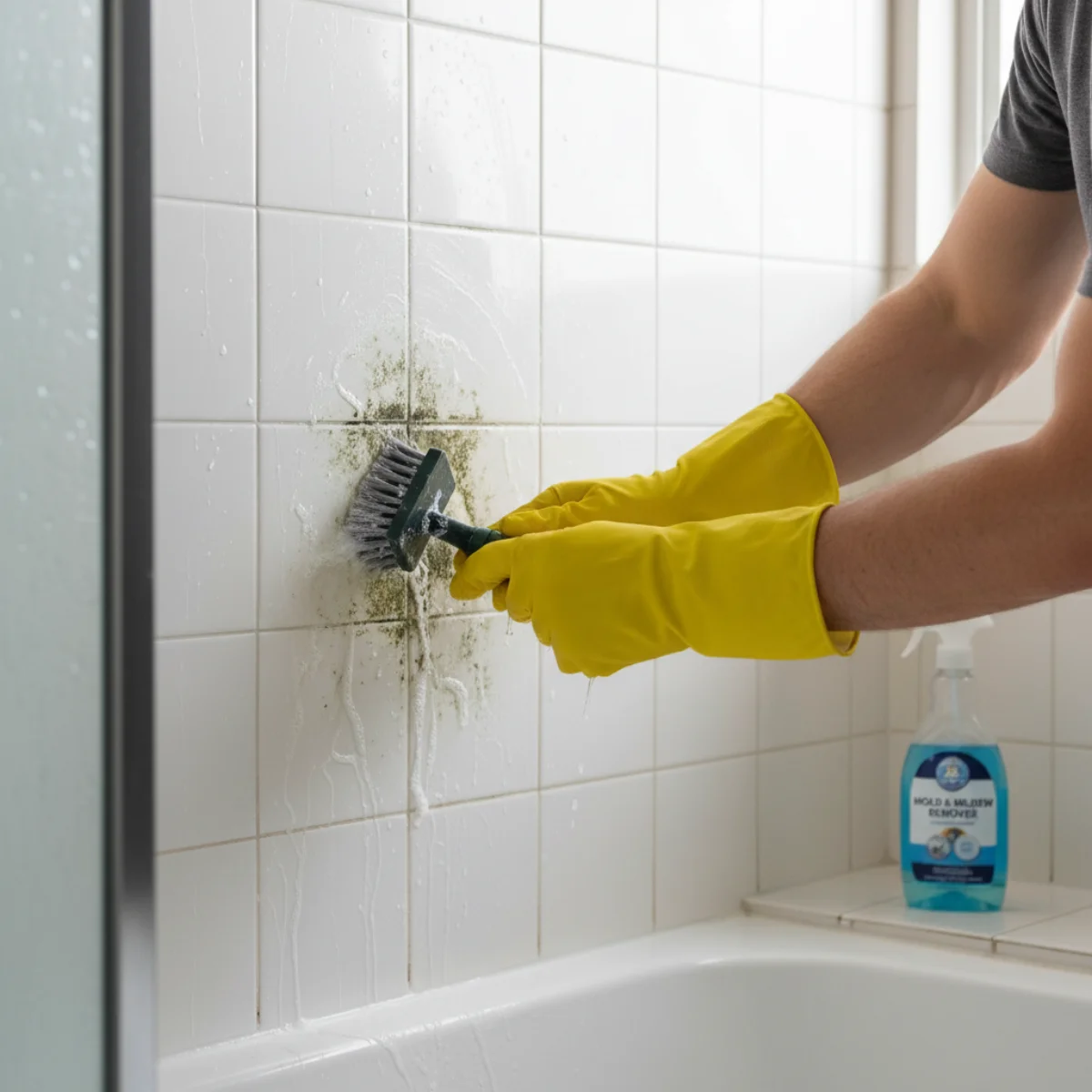
- Clean the growth you can see. Detergent and water on tile, glass, and fixtures. On grout, give the cleaner 10 to 15 minutes of contact, then a stiff brush and a rinse. Bleach or 3% hydrogen peroxide work too, but neither is required; the EPA's own cleanup steps lead with detergent, because physically removing the mold is what counts.
- Replace what won't come clean. Caulk with mold grown into it gets cut out and redone with mold-resistant silicone. Drywall that's soft, bubbled, or stained through gets a section replaced, not another scrub. Past about 10 square feet, that's a job for a professional.
- Dry the room after every use. Fan on during the shower and for 30 minutes after, walls squeegeed, curtain spread, door open. This step is the permanent part.
- Recaulk or repaint only once it's clean and dry. Paint over live mold and the paint peels with the mold still underneath.
Mold on bathroom walls
Painted walls with intact paint clean the same way as tile: detergent, a thorough dry, then a bathroom primer and paint if the stain shows through. Mold that comes back in the same spot on a wall is telling you the wall itself is wet, either from a leak behind it or from condensation on a cold exterior surface, often behind the toilet tank or low in a corner. Drywall that's soft or swollen has been wet long enough for mold to grow into the paper facing, and that section gets cut out and replaced. Cleaning it buys a few weeks. Replacing it, and warming or venting the wall, ends it.
Why Bathrooms Breed Mold
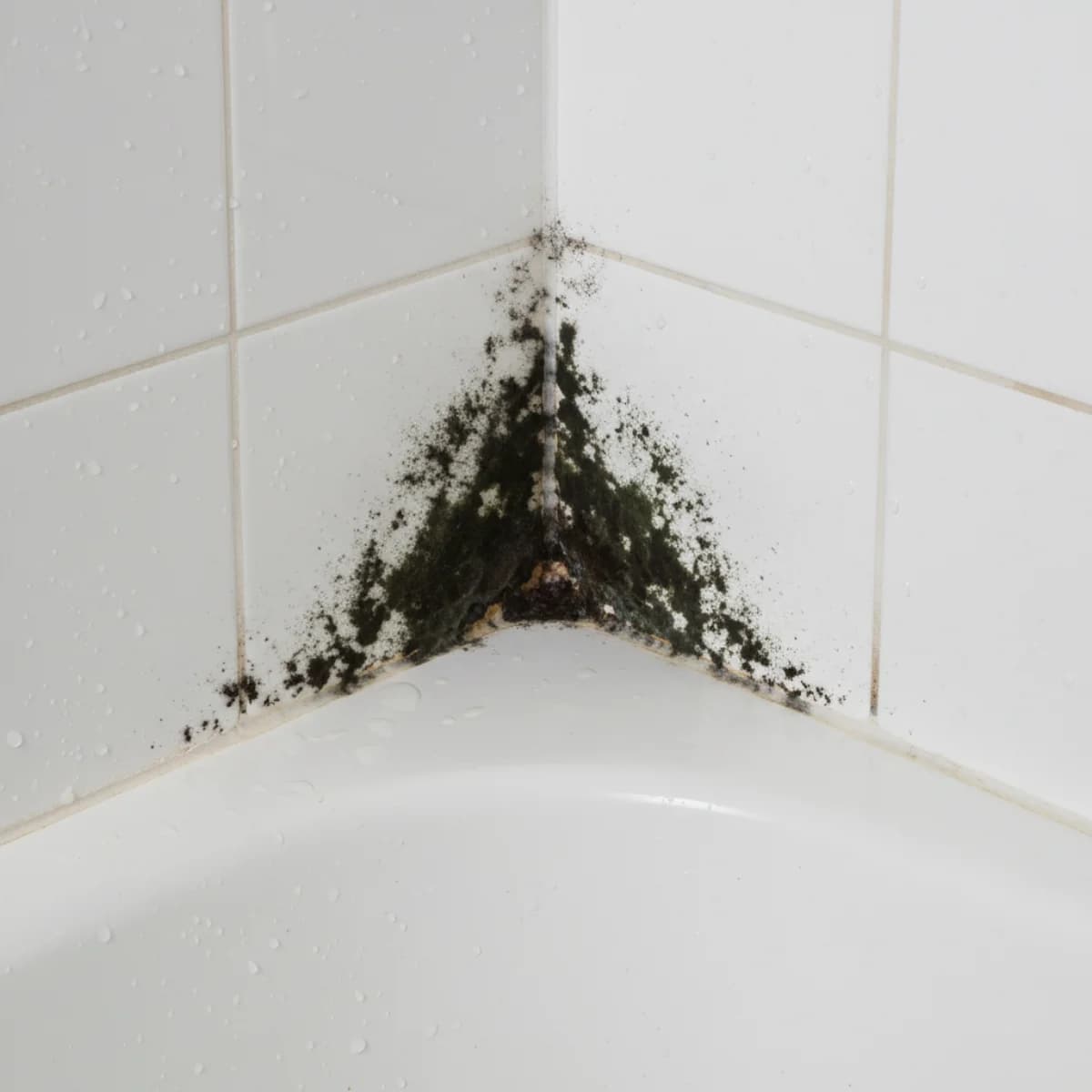
Bathrooms provide everything mold needs to thrive: abundant moisture, warm temperatures, and plenty of organic material to feed on. Every shower or bath releases gallons of water vapor into a typically small, enclosed space.
The Perfect Storm
Consider what happens during a typical shower:
- Hot water creates steam that saturates the air
- Humidity can spike to 100% within minutes
- Warm, moist air contacts cooler surfaces, creating condensation
- Organic matter (soap residue, skin cells, hair) provides food
- Many bathroom materials (grout, drywall, wood) are porous
Without adequate ventilation and drying time, mold growth becomes almost inevitable.
Daily Moisture Cycles
Unlike other rooms that might experience occasional moisture events, bathrooms endure daily humidity spikes:
- Morning showers
- Evening baths
- Hand washing and tooth brushing
- Toilet use (yes, flushing creates aerosols)
- Wet towels and bath mats
This constant moisture cycling keeps surfaces perpetually damp in poorly ventilated bathrooms.
Common Bathroom Mold Locations
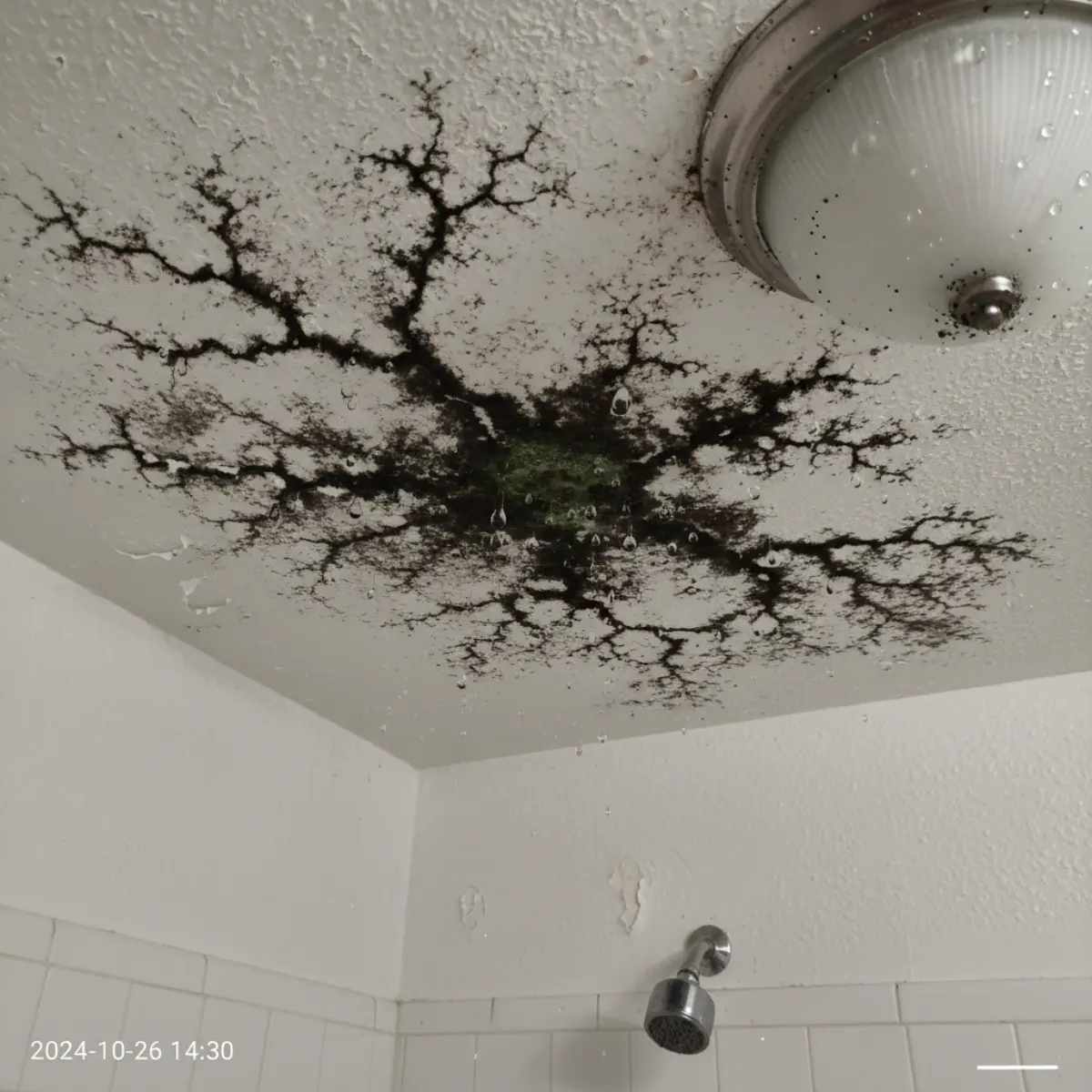
Knowing where mold typically appears helps you catch problems early. For help identifying different mold species by color and texture, see our mold identification guide. If the growth is on the ceiling itself, the bathroom ceiling mold guide covers reading the pattern and fixing the cause.
Surface-Level Growth
Tile and grout:
- Grout is porous and holds moisture
- Corners and edges where water pools
- Around fixtures and soap dishes
- Horizontal surfaces that collect water
Caulk and sealant:
- Shower door seals
- Tub-to-wall joints
- Toilet base
- Sink edges
Other surfaces:
- Shower curtains and liners
- Bath mats and rugs
- Ceiling above shower area
- Window frames and sills
- Wood: the vanity toe-kick and cabinet floor under the sink, door bottoms, and trim behind the toilet, where bare or cracked finishes soak up water
Hidden Growth
More concerning mold often grows where you can't see it:
- Behind tiles with failed grout or caulk
- Inside wall cavities around plumbing
- Under flooring near toilets and tubs
- Behind vanities and cabinetry
- In ceiling spaces above bathrooms
- Inside exhaust fan housings
Note: Hidden bathroom mold can share moisture sources with adjacent spaces. Similar hidden growth is common in basements and crawl spaces; addressing bathroom moisture often means checking these areas too.
Pink Mold vs Black Mold in Bathrooms
Not all bathroom growth is the same. Understanding what you're dealing with helps determine the appropriate response.
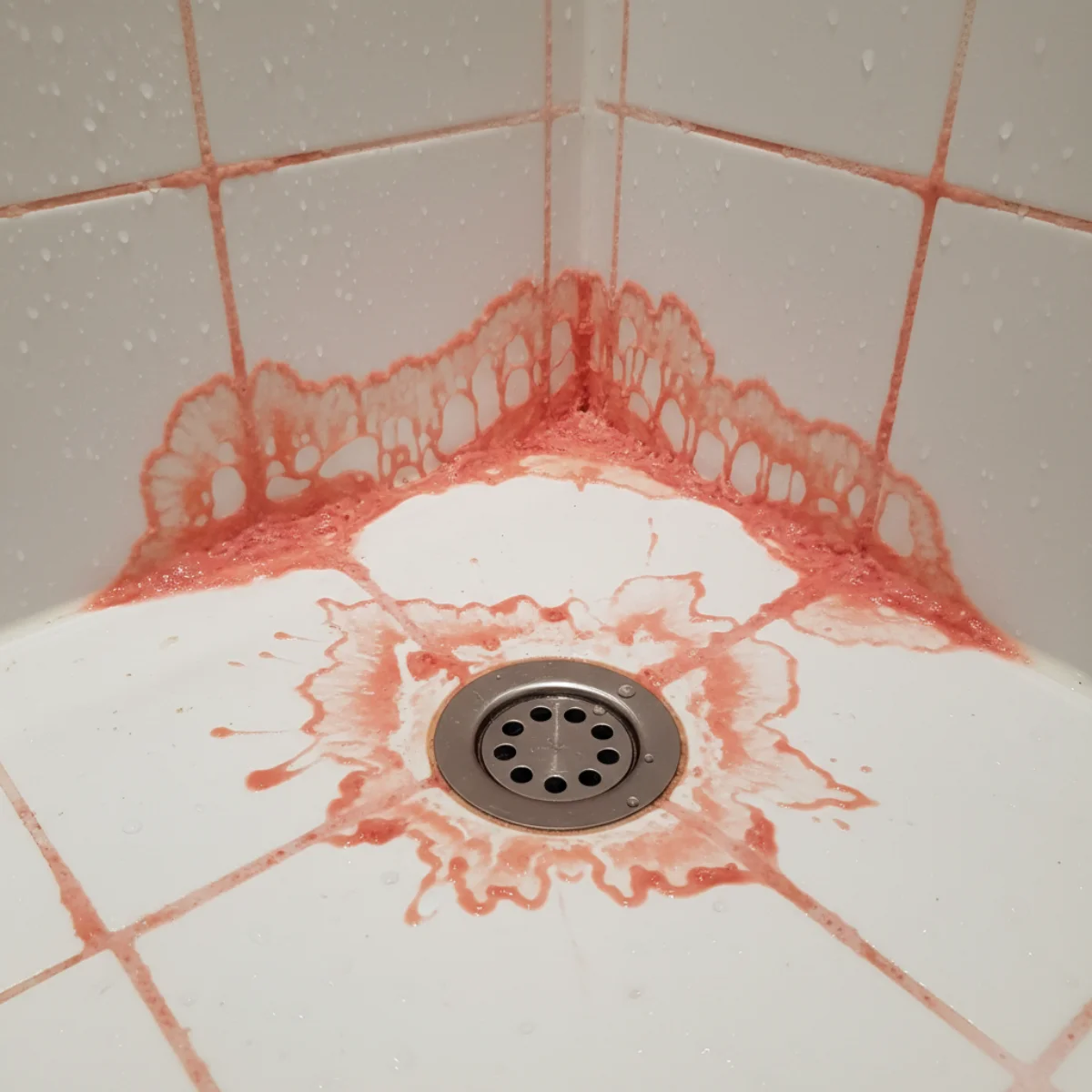
Pink "Mold" (Serratia marcescens)
That pink or orange film around drains, faucets, and tile isn't actually mold; it's Serratia marcescens, a bacterium that feeds on soap residue. It's generally not dangerous for healthy people, cleans off with a bleach-based bathroom cleaner and a good rinse, and returns wherever surfaces stay wet. For the shower-specific breakdown, including how to keep it from coming back, see the full shower mold guide.
True Black Mold
Black-colored mold in bathrooms can be several species, including the more concerning Stachybotrys chartarum.
Characteristics:
- Dark green to black color
- Can be slimy when wet, powdery when dry
- Often found in chronically wet areas
- More difficult to remove than surface bacteria
- Produces musty odor
- Can cause respiratory issues
- Allergic reactions common
- More serious in sensitive individuals
- Should be addressed promptly
When it indicates bigger problems:
- Black mold on caulk may be surface-only
- Black mold on drywall suggests moisture penetration
- Mold that returns after cleaning indicates hidden issues
Other Common Bathroom Molds
- Green mold (Aspergillus/Penicillium) - Common on walls and ceilings
- White mold - Often early-stage growth on various surfaces
- Gray mold - Frequently found on grout and porous surfaces
DIY Cleaning for Surface Mold
Many bathroom mold problems can be handled with proper cleaning techniques. For help deciding whether your situation is a DIY job or needs a professional, consider the size and location of the growth.
Safety First
Before cleaning any mold:
- Open windows or run exhaust fan for ventilation
- Wear rubber gloves
- Consider eye protection for spray-back
- Use an N95 mask for larger areas
- Never mix cleaning products (especially bleach and ammonia)
Effective Cleaning Solutions
For hard, non-porous surfaces (tile, glass, fixtures):
- Commercial mold cleaners
- Bleach solution (1 cup bleach per gallon of water)
- Hydrogen peroxide (3% solution)
- White vinegar (kills most mold species)
For porous grout:
- Apply cleaner and let sit 10-15 minutes
- Scrub with stiff brush
- Rinse thoroughly
- May require multiple applications
For silicone caulk:
- Clean surface mold with appropriate cleaner
- If staining remains, caulk may need replacement
- Remove old caulk completely before re-caulking
- Use mold-resistant caulk for replacement
Cleaning Soft Items
Shower curtains:
- Wash in washing machine with bleach (if fabric allows)
- Replace plastic liners regularly ($5-10)
- A liner that keeps growing spots is drying last: pull it closed and flat after each shower so the folds can dry, and wipe the hem
- The shower mold guide covers curtains and liners with the rest of the shower surfaces
Bath mats and rugs:
- Wash weekly in hot water
- Dry completely between uses
- Consider replacing if mold persists
Tip: For recurring mold on soft items, consider replacing rather than repeated cleaning. The cost is often less than the effort of ongoing treatment.
When to Call a Professional
DIY cleaning works for surface mold, but certain situations require professional assessment and remediation.
Call a Pro If:
- Mold covers more than 10 square feet - Large areas need containment and professional remediation
- Mold is on drywall or behind walls - Indicates structural moisture problems
- Mold keeps returning despite thorough cleaning - Hidden sources likely
- You smell mold but can't see it - May be behind walls or under flooring
- Recent water damage - Flooding, burst pipes, or ongoing leaks
- Health symptoms are present - Respiratory issues, allergies worsening
- Immunocompromised household members - Higher risk from exposure
Signs of Hidden Bathroom Mold
These indicate mold may be growing behind surfaces:
- Persistent musty odor despite clean visible surfaces
- Bubbling or peeling paint
- Warped or soft drywall
- Discoloration spreading from walls
- Water stains that weren't from recent events
- Floor damage around toilet base
What Professional Assessment Reveals
A mold assessor can:
- Use moisture meters to detect wet areas behind walls
- Identify the moisture source causing growth
- Determine if mold has spread into wall cavities
- Recommend appropriate remediation scope
- Conduct air quality testing if needed
To understand what an inspection costs and what to expect, review our cost guide before scheduling.
Prevention: Ventilation and Habits
The best mold treatment is prevention. Focus on controlling moisture.
Improve Ventilation
Exhaust fans:
- Run during and 15-30 minutes after showering
- Ensure fan vents outside (not into attic)
- Size fan appropriately for bathroom square footage
- Clean fan housing and cover regularly
- Replace if it doesn't pull a tissue against the grille
Windows:
- Open during and after bathing when weather permits
- Helps with air exchange even with exhaust fan
- Clean condensation from sills promptly
Doors:
- Leave bathroom door open after use when possible
- Allows air circulation to aid drying
No fan and no window? Put a small fan in the doorway pointed out of the room while you shower and for twenty minutes after, squeegee the walls and glass, and run a small dehumidifier set to 50 percent. Those buy time; mold that keeps returning on the ceiling is the sign the room needs a fan ducted outdoors.
Daily Habits
Small actions make a big difference:
- Squeegee shower walls after use
- Spread shower curtain to dry flat
- Hang wet towels to dry (not bunched up)
- Wipe condensation from surfaces
- Keep surfaces as dry as possible
Maintenance Tasks
Weekly:
- Clean shower and tub surfaces
- Wipe down bathroom fixtures
- Wash bath mats
Monthly:
- Check caulk and grout condition
- Inspect under sinks for leaks
- Clean exhaust fan cover
Annually:
- Re-caulk as needed
- Deep clean grout
- Inspect bathroom for hidden moisture issues
Design Considerations
When remodeling, choose mold-resistant options:
- Mold-resistant drywall (green board or better)
- Epoxy grout instead of standard cement grout
- Silicone caulk with mold inhibitors
- Adequate exhaust fan (1 CFM per square foot minimum)
- Easy-to-clean surface materials
Next Steps
If you're dealing with bathroom mold:
- Assess the scope - Surface growth on grout, or signs of deeper problems?
- Try DIY cleaning first - For small, surface-level mold
- Monitor for return - Mold that comes back quickly indicates ongoing moisture
- Improve ventilation - Often the most important prevention step
- Seek professional help - If mold persists, spreads, or causes health symptoms
📚 This guide is part of our Complete Mold Remediation Guide, your comprehensive resource for understanding, preventing, and removing mold.
When bathroom mold traces back to hidden moisture behind walls or under flooring, a verified mold remediation company can find the source and fix it properly.
Frequently Asked Questions
Is pink mold in the bathroom dangerous?
What causes mold on bathroom ceilings?
How do I get rid of black mold in my bathroom?
When should I call a professional for bathroom mold?
How do I prevent mold in my bathroom?
Can bathroom mold spread to other rooms?
How do I permanently remove mold from my bathroom?
How do I permanently remove mold from bathroom walls?
Should I call a professional for mold around the toilet?
What can I use in my bathroom if I don't have a vent?
Does wood get moldy in the bathroom?
Why do I keep getting mold on my shower curtain liner?
This guide is for educational purposes only. Always consult with certified professionals for specific mold situations in your home. If you experience health symptoms, please consult a healthcare provider.