Basement Mold in Savannah: Causes, Costs & Solutions (2026)
Savannah basement mold guide. Why coastal humidity and historic homes cause basement mold, remediation costs, prevention tips, and finding verified pros.
Cost Insights
$1,223 – $3,757
Average: $2,369 nationally, for a typical job, from 7,952 project costs reported to HomeAdvisor. We don't have a Savannah-specific figure.
- HomeAdvisor prints $500 to $3,000 for basement mold remediation nationally, without a stated method.
- Historic materials (tabby, old brick) take more careful handling, which adds time and cost; we don't have a figure for how much.
- Basement waterproofing costs $2,460 to $8,205, average $5,245, from 5,794 costs reported to HomeAdvisor.
- Where an independent post-remediation check (often called a clearance test) is required or requested, one Austin assessor's published price sheet puts it at $200 to $600.
Savannah has a basement mold problem that's distinctly its own. Coastal humidity, a water table that sits close to the surface, and thousands of historic homes built before modern moisture control all stack together to make basement mold one of the most common issues homeowners face in the city.
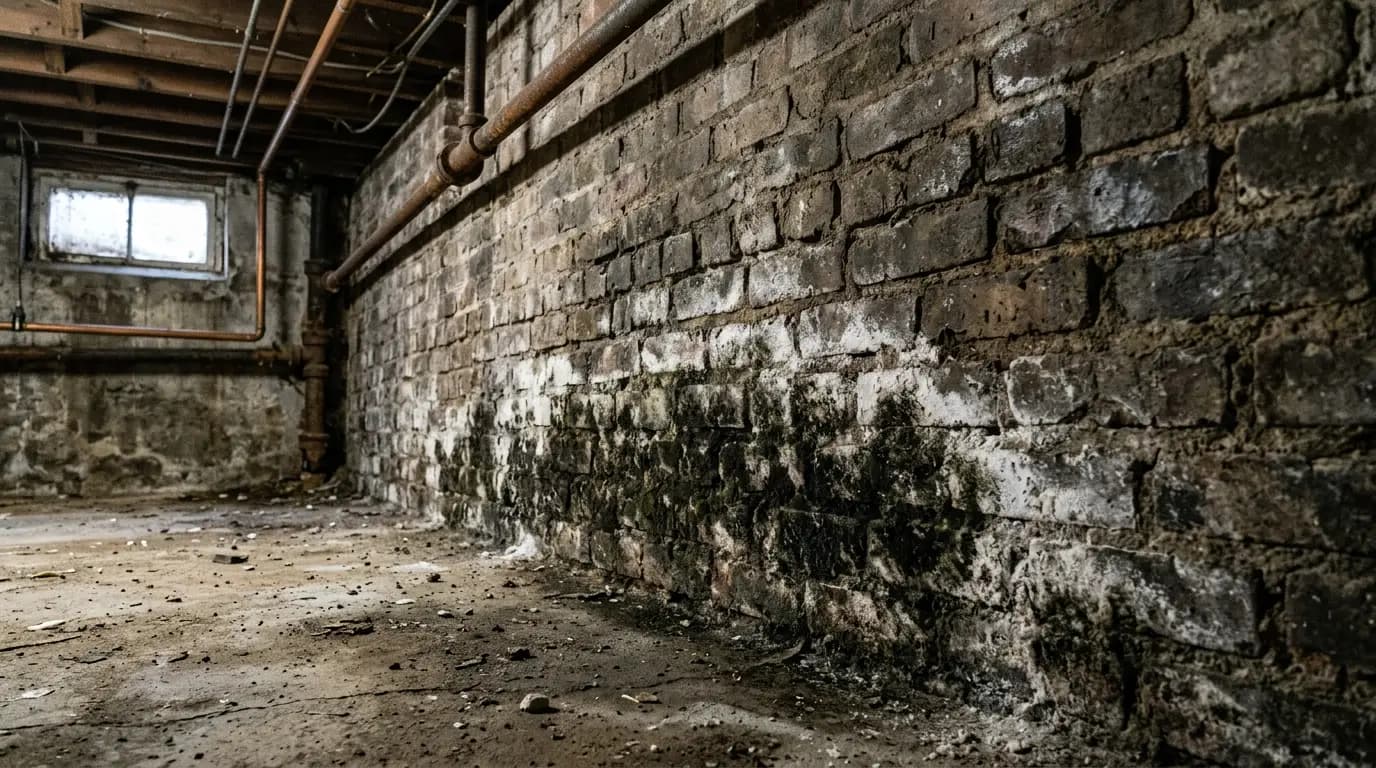
If you've found mold in your Savannah basement, this guide explains why it happened, what remediation costs, and how to make it less likely to come back.
In This Guide
- Why Savannah Basements Get Mold: The local factors at play
- Signs of Basement Mold: What to look for
- Remediation Costs: Savannah pricing breakdown
- The Remediation Process: What to expect
- Prevention: Make mold less likely to come back
- Find a Pro: Verified Savannah professionals
Why Savannah Basements Are Prone to Mold
Savannah's combination of geography, climate, and building history creates moisture conditions that few other cities match.
Coastal Humidity
Savannah sits at sea level on the Georgia coast. Humidity stays above 70% for much of the year, and in summer it's a near-constant presence. When warm, moist coastal air moves into a cooler basement, it condenses on walls, pipes, and any cool surface it contacts. That condensation alone can fuel mold growth. No flood or plumbing leak needed.
Unlike Atlanta, where humidity breaks slightly in fall and winter, Savannah's coastal position means moisture pressure on basements is a year-round concern.
High Water Table
Savannah's low elevation means the water table sits close to the surface. During heavy rain, tropical storms, or king tides, groundwater rises and pushes against your foundation from below. This hydrostatic pressure drives moisture through concrete and masonry, and it's worse in Savannah than in inland Georgia cities like Augusta or Macon.
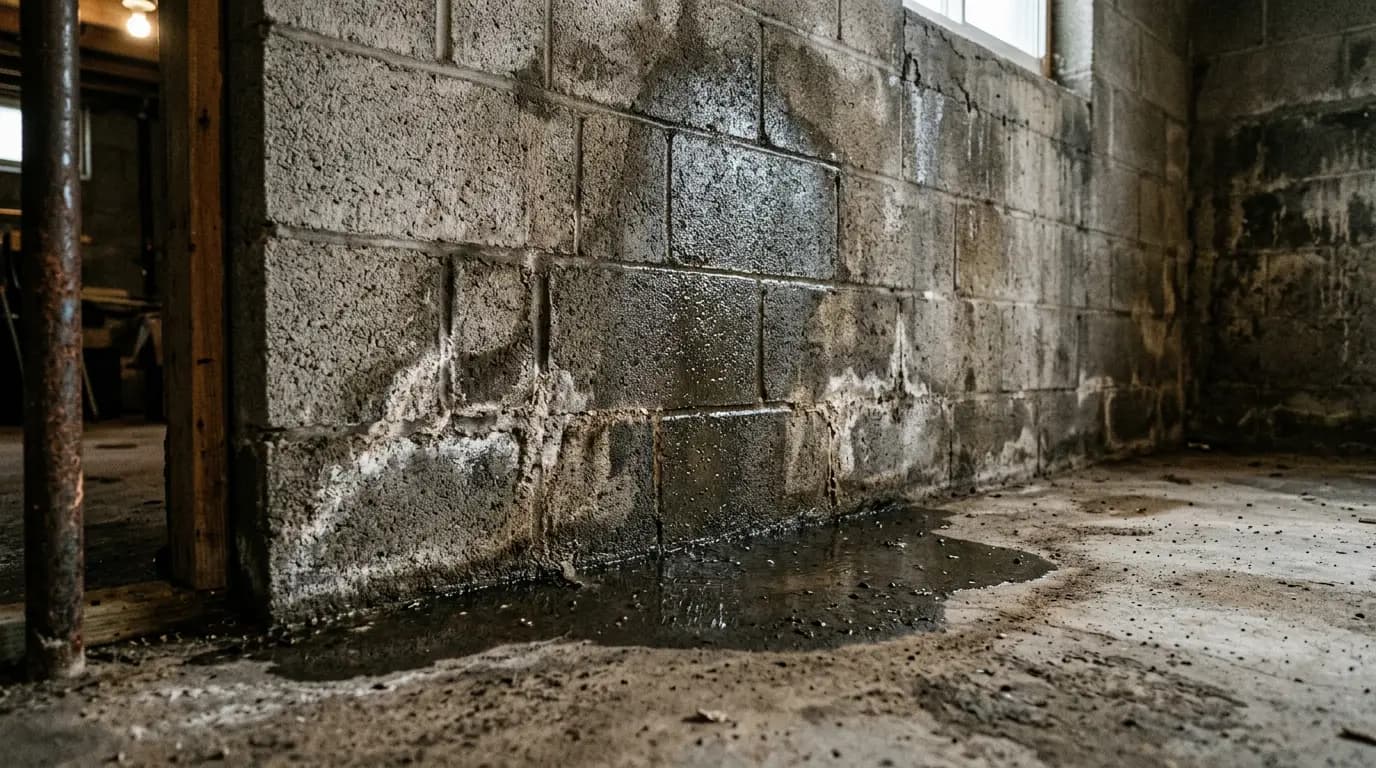
Homes in low-lying Savannah neighborhoods or near tidal creeks face the most risk. Even homes that don't flood outright can see steady moisture intrusion after every significant rain event.
Historic Home Construction
Savannah's historic district is a defining feature of the city, and a real challenge for basement moisture control. Many homes built in the 1800s and early 1900s used tabby (a mix of oyster shells, sand, and lime) and handmade brick for foundations. Both materials are more porous than modern poured concrete.
These older foundations absorb moisture readily, and they typically lack:
- Vapor barriers between soil and the basement interior
- Exterior waterproofing membranes on foundation walls
- Modern drainage systems to redirect groundwater
Historic preservation requirements can also limit what modifications are allowed, which means some conventional waterproofing approaches aren't an option for Savannah's older homes.
Tropical Storms and Flooding
Savannah is in a hurricane zone, and tropical storms bring intense rainfall that overwhelms drainage in low-lying areas. Even a strong tropical storm that doesn't make direct landfall can dump several inches of rain and drive storm surge that raises the water table significantly.
Mold can begin growing within about 24 to 48 hours on materials that stay wet after a storm. If your basement took on water during a storm, our advice is to get a professional assessment even if it appears to have dried on its own. Moisture behind walls and under flooring can start mold growth before you can see it.
Signs of Basement Mold
Look for these indicators in your Savannah basement:
Visual signs:
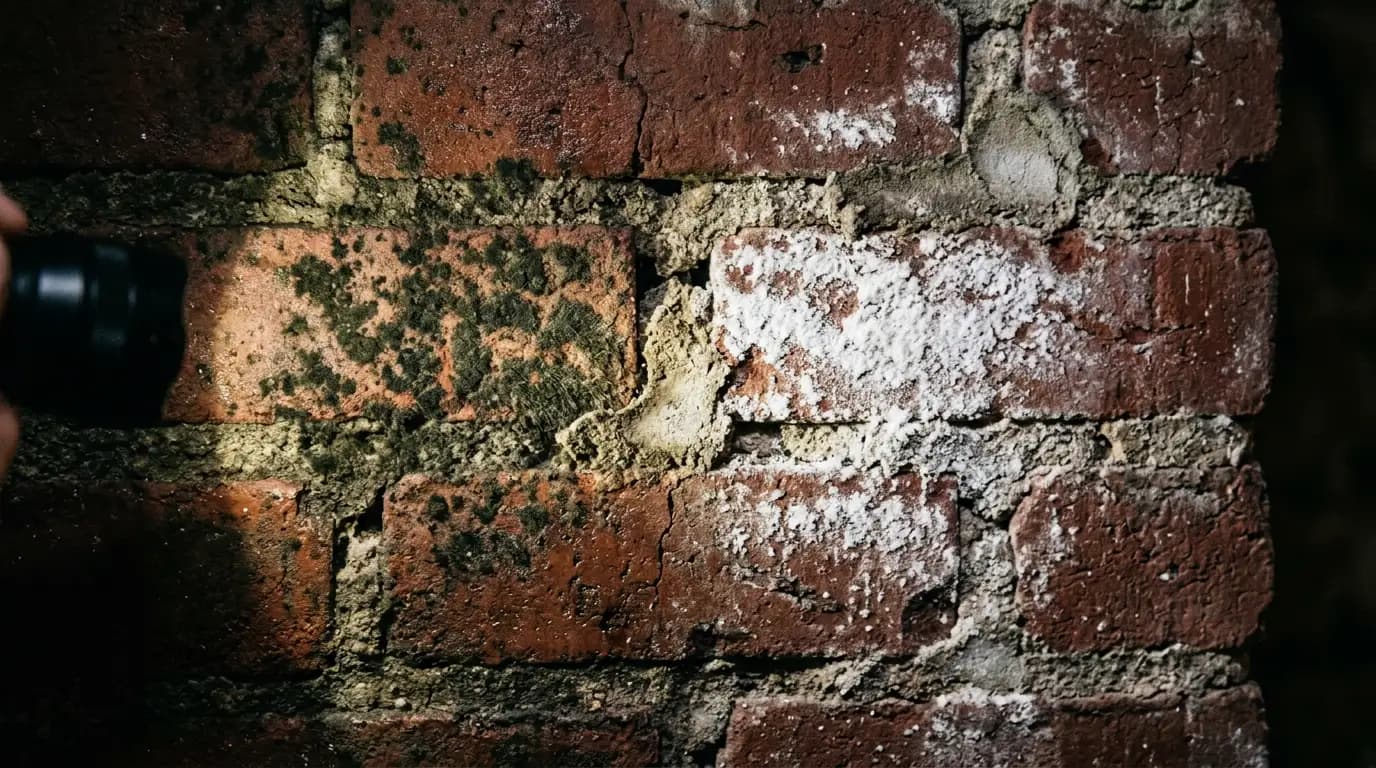
- Dark spots or discoloration on walls, particularly along the floor line
- White, fuzzy or powdery growth on masonry or concrete (see our basement mold guide to distinguish mold from efflorescence)
- Peeling paint or surface blistering on foundation walls
- Water stains, tide marks, or mineral deposits from past moisture intrusion
Smell:
- Persistent musty or earthy odor that doesn't go away with cleaning
- Smell worsens during humid weather or after rain
Physical signs:
- Damp or wet walls, especially at the base where they meet the floor
- Condensation on pipes, windows, or concrete surfaces
- Warped wood trim or swollen wood components
- Salt air can mask musty odors in Savannah. Don't rely on smell alone
Health: symptoms can't tell you whether your basement has mold. If anyone in your household has respiratory symptoms that improve away from home, mention it to a doctor, though that pattern doesn't show that mold is the cause.
A professional mold inspection in Savannah can check for moisture and look for hidden growth behind walls or under flooring, with sampling only where it answers a defined question.
What Basement Mold Remediation Costs in Savannah
We don't have Savannah figures we'd stand behind, so these are national ones, each from a named source. Where a Savannah basement falls among them depends on the size of the problem and whether you're dealing with historic materials.
| Job | Price | Source |
|---|---|---|
| Basement mold remediation | $500 – $3,000 | HomeAdvisor, method not given |
| A typical remediation job, any room | $1,223 – $3,757 (average $2,369) | HomeAdvisor, 7,952 reported project costs |
| Several areas | $3,757 – $10,000 | No source measures this band; it runs between two that are sourced |
| Drywall repair afterward | $1,000 – $2,900 | HomeAdvisor, method not given |
Historic homes add cost because tabby and old brick require careful handling, and preservation requirements may limit which products and methods can be used. Remediators experienced with Savannah's historic housing stock are worth seeking out.
The fixes that make it less likely to come back, and the check afterward:
- Basement waterproofing: $2,460 – $8,205, average $5,245, from 5,794 costs reported to HomeAdvisor (interior and exterior methods together)
- A whole-house dehumidifier, installed: $1,300 – $2,800 (HomeAdvisor, no sample reported)
- Sump pump replacement: $645 – $2,120, average $1,362, from 1,696 costs reported to HomeAdvisor
- Post-remediation clearance testing, where an independent verification is required or requested: $200 – $600 (one Austin assessor's published price sheet)
Savannah's moisture conditions tend to create larger problems, and the size of the problem is what moves the price most. For comparison, see our Atlanta basement mold guide and the national cost guide.
What the Remediation Process Looks Like
Professional basement mold remediation in Savannah follows these steps:
1. Assessment and Moisture Source Identification
The remediator inspects your basement to map the affected areas and trace the moisture source, which you or the right trade then fix. In Savannah, this often means checking for high water table intrusion, foundation cracks, and condensation patterns, not just plumbing leaks. If the moisture source isn't fixed, the mold can return.
2. Containment
Plastic sheeting, sized to the job, seals the work area, and negative air pressure keeps the work area at lower pressure than the rooms around it. The aim is to keep contamination from spreading to the rest of your home during the job. This matters especially in basements connected to HVAC systems, where a contaminated system can distribute spores or fragments beyond the source area.
3. Material Removal
Contaminated materials (drywall, insulation, carpet) are cut out and bagged for disposal. In historic homes, the remediator needs to work carefully around original materials and may need to consult with a preservation specialist if structural elements are affected.
4. Cleaning
Remaining surfaces are cleaned with HEPA vacuums and damp wiping, with an antimicrobial applied only where the project protocol calls for one. The goal is to bring mold levels back to normal background concentrations, not achieve sterile conditions.
5. Drying
Industrial dehumidifiers and air movers dry the space thoroughly before any reconstruction. In Savannah's climate, this step takes longer than in drier cities; the ambient humidity keeps fighting the drying process.
6. Post-Remediation Verification
The remediator documents its own post-remediation evaluation on every job. Where an independent verification, what most people call clearance testing, is required or requested, an independent professional checks the work against completion criteria confirmed, as far as possible, before the work starts; that may or may not include air sampling, and it establishes a probable return to normal conditions rather than proof. One Austin assessor's published price for it is $200 to $600, and it gives you an independent check on the remediator's own sign-off. For flood-related mold, this documentation also helps with insurance claims.
How to Prevent Basement Mold in Savannah
Control Moisture at the Source
- Grade soil away from your foundation: soil should slope down and away from the house on all sides
- Extend downspouts at least 6 feet from the foundation
- Repair foundation cracks promptly with hydraulic cement or epoxy injection
- Consider interior waterproofing: a French drain and sump pump system collects groundwater before it reaches the interior
- Ask about flood vents if you're in a FEMA flood zone; they allow water to pass through rather than building pressure against walls
Control Humidity
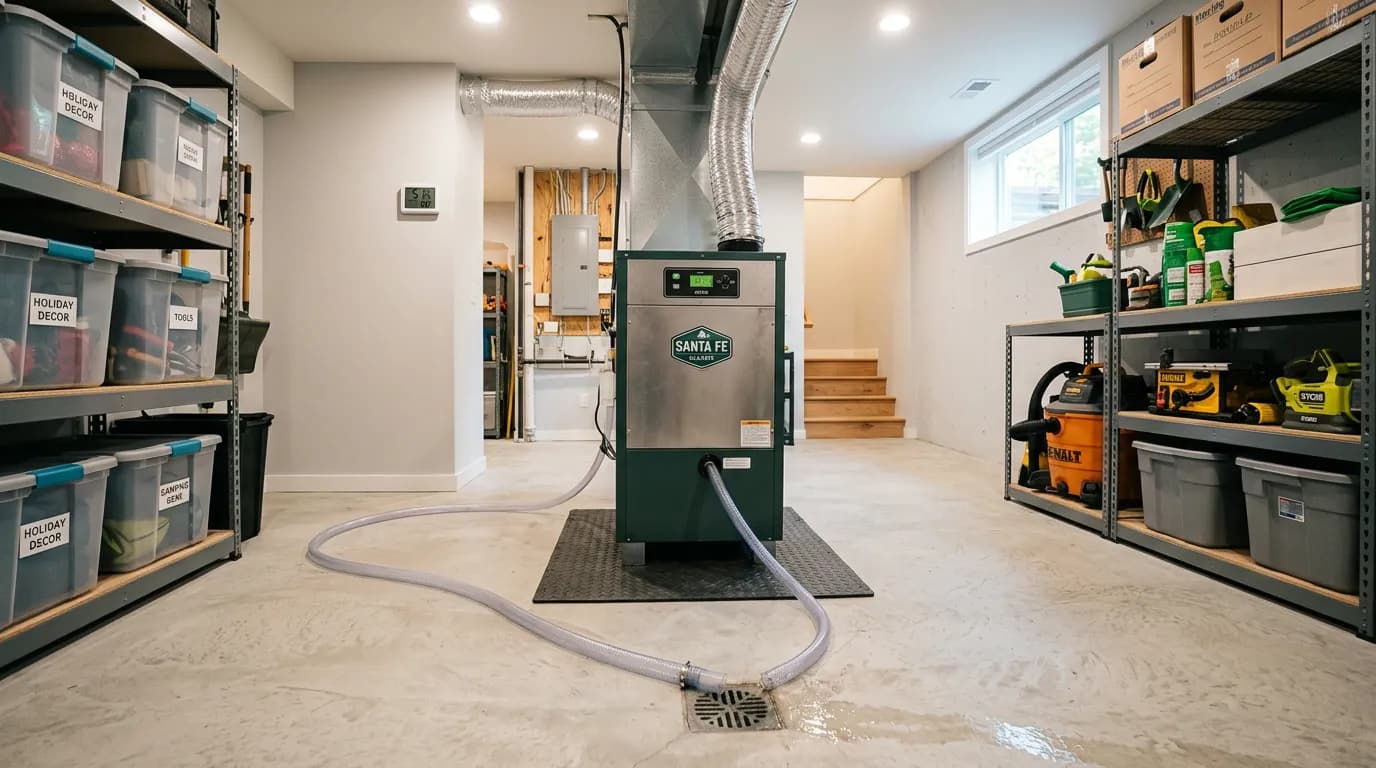
- Run a dehumidifier year-round: this is non-negotiable in Savannah. Target 30-50% relative humidity.
- A whole-house dehumidifier handles Savannah's moisture levels better than portable units
- Monitor humidity with an inexpensive hygrometer. Check it weekly.
- Ensure your basement has airflow: closed-off spaces with no air movement tend to stay damper
Historic Home Considerations
If you own a historic Savannah home, moisture control requires a careful approach:
- Work with professionals who know historic preservation: some waterproofing methods can damage original materials or violate preservation standards
- Use breathable coatings on masonry rather than film-forming waterproof paints that can trap moisture inside walls
- Address roof drainage: gutters and downspouts on historic homes are often undersized for Savannah's rainfall
- Consult the Historic Savannah Foundation or your neighborhood's preservation guidelines before making significant moisture control modifications
Regular Monitoring
- Check your basement after every significant rain or tropical event
- Inspect for new stains, efflorescence, or musty odors quarterly
- Test sump pump operation monthly during storm season (June-November)
- Service your dehumidifier annually
Connect with a Verified Professional
Savannah's basement mold challenges require contractors who understand both coastal moisture conditions and the unique demands of historic construction. Look for companies that specifically mention experience with historic homes and foundation moisture, not just surface mold remediation.
For help choosing the right contractor, see our hiring guide and questions to ask. If your mold is related to storm flooding, see our Georgia flooding guide.
Find verified mold remediation professionals across Georgia. For national context on basement mold, see our comprehensive basement mold guide. For comparison with other Georgia cities, see basement mold in Atlanta and basement mold in Augusta.