Basement Mold in Atlanta: Causes, Costs & Solutions (2026)
Atlanta basement mold guide. Why Georgia's clay soil and humidity cause basement mold, what remediation and waterproofing cost, prevention tips, and finding verified pros.
Cost Insights
$1,223 – $3,757
Average: $2,369 nationally, for a typical job, from 7,952 project costs reported to HomeAdvisor. We don't have an Atlanta-specific figure.
- HomeAdvisor prints $500 to $3,000 for basement mold remediation nationally, without a stated method.
- Putting a finished basement back is its own cost: HomeAdvisor prints $1,000 to $2,900 for drywall repair and $775 to $2,600 for carpet.
- Basement waterproofing costs $2,460 to $8,205, average $5,245, from 5,794 costs reported to HomeAdvisor.
- Where an independent post-remediation check (often called a clearance test) is required or requested, one Austin assessor's published price sheet puts it at $200 to $600. It establishes a probable return to normal conditions, not proof.
Atlanta basements and mold go together like clay soil and rain. Unfortunately, that's not a coincidence. The same red clay that makes gardening tough in metro Atlanta also traps water around your foundation, and when you add summer humidity that doesn't quit, basements become prime real estate for mold.
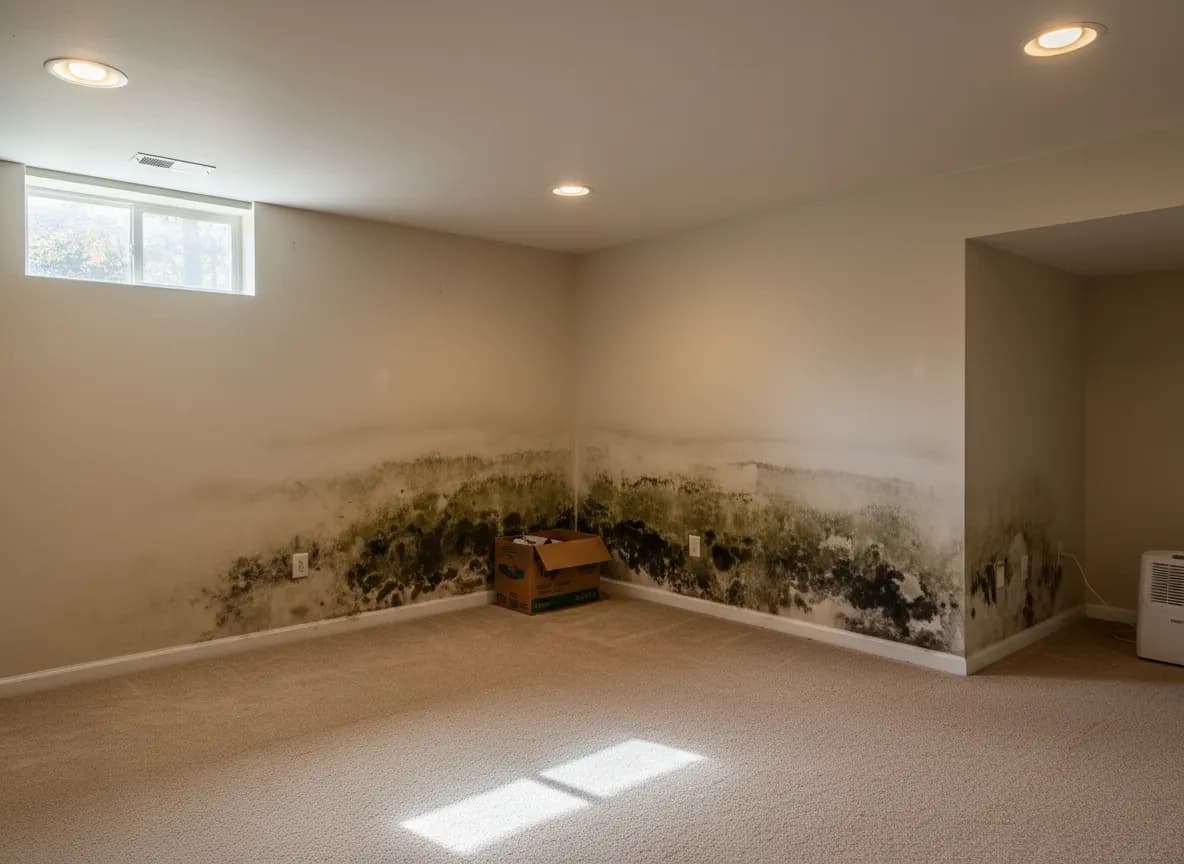
If you're dealing with basement mold in your Atlanta home, this guide covers why it happened, what it'll cost to fix, and how to make it less likely to come back.
In This Guide
- Why Atlanta Basements Get Mold: The local factors at play
- Signs of Basement Mold: What to look for
- Remediation Costs: Atlanta pricing breakdown
- The Remediation Process: What to expect
- Prevention: Make mold less likely to come back
- Find a Pro: Verified Atlanta professionals
Why Atlanta Basements Are Mold Magnets
Atlanta has a specific combination of factors that make basement mold more common here than in many other cities:
Red Clay Soil
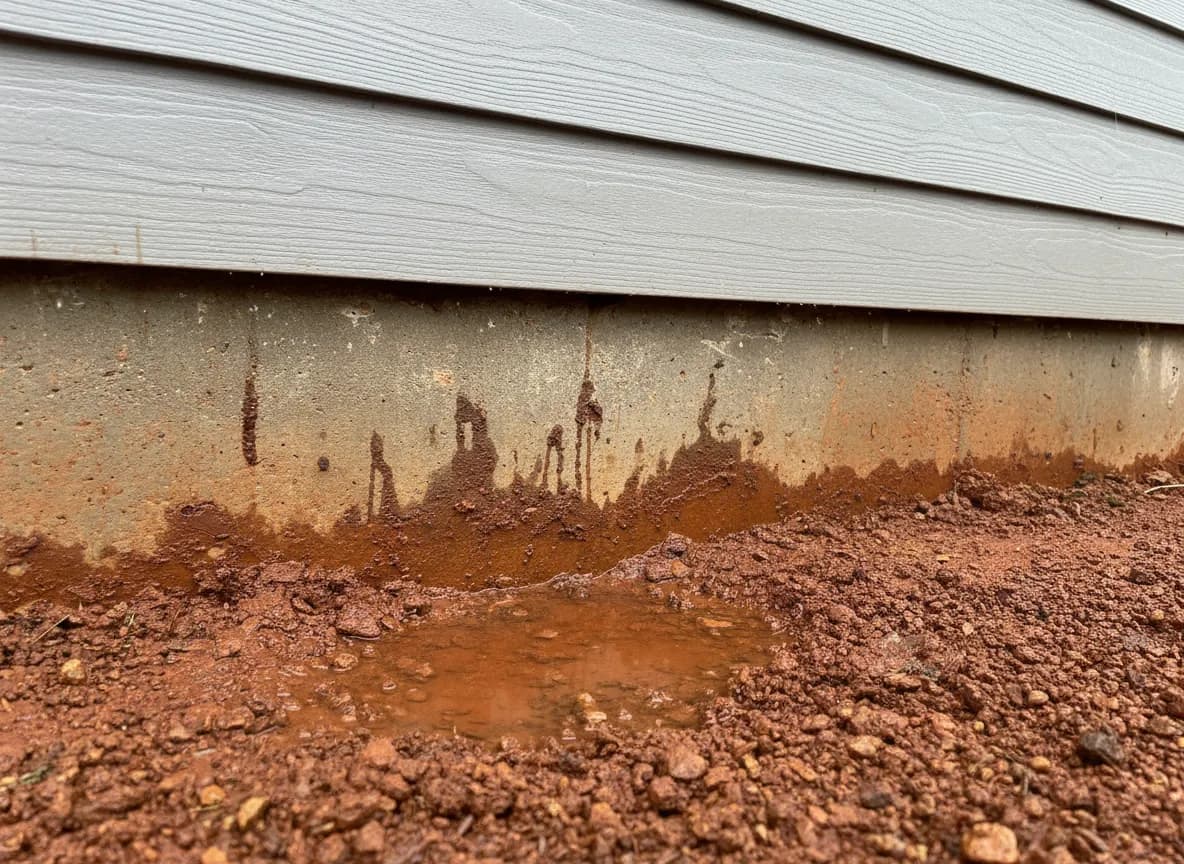
Georgia's famous red clay is the root of most basement moisture problems. Unlike sandy or loamy soil that drains water downward, clay absorbs water and swells. After a heavy rain (and Atlanta gets over 50 inches per year), that saturated clay pushes moisture directly against your foundation.
The clay doesn't drain quickly either. It can stay waterlogged for days, giving moisture plenty of time to seep through concrete foundation walls and floor slabs. This is hydrostatic pressure in action, and it's the primary reason Atlanta basements are wetter than basements in cities with better-draining soil.
Year-Round Humidity
Atlanta's subtropical humidity is brutal on basements. From May through September, outdoor humidity regularly exceeds 70%. Your basement walls stay cooler than the outside air, and when warm humid air meets those cool surfaces, condensation forms, even without any active water leak.
This means your basement can develop mold purely from humidity and condensation, without ever experiencing a flood or plumbing leak.
Finished Basements That Trap Moisture
Atlanta homeowners love finished basements for extra living space. But finishing a basement in a humid climate creates a potential moisture trap:
- Drywall and insulation absorb moisture and provide organic food for mold
- Carpet traps humidity against the concrete slab
- Closed-off walls hide moisture buildup until mold is well established
- Reduced ventilation in enclosed spaces lets humidity build up
An unfinished basement with exposed concrete is much easier to monitor and dry. Once you frame walls, add insulation, and install carpet, moisture problems hide until they're serious.
Summer Thunderstorms
Atlanta's afternoon thunderstorms from June through August dump significant rain in short bursts. Storm drains overflow, groundwater rises, and water finds any weakness in your foundation. These events cause acute basement flooding that can start mold growth within a day or two.
Signs of Basement Mold
Watch for these indicators in your Atlanta basement:
Visual signs:
- Dark spots or discoloration on walls, especially at the base
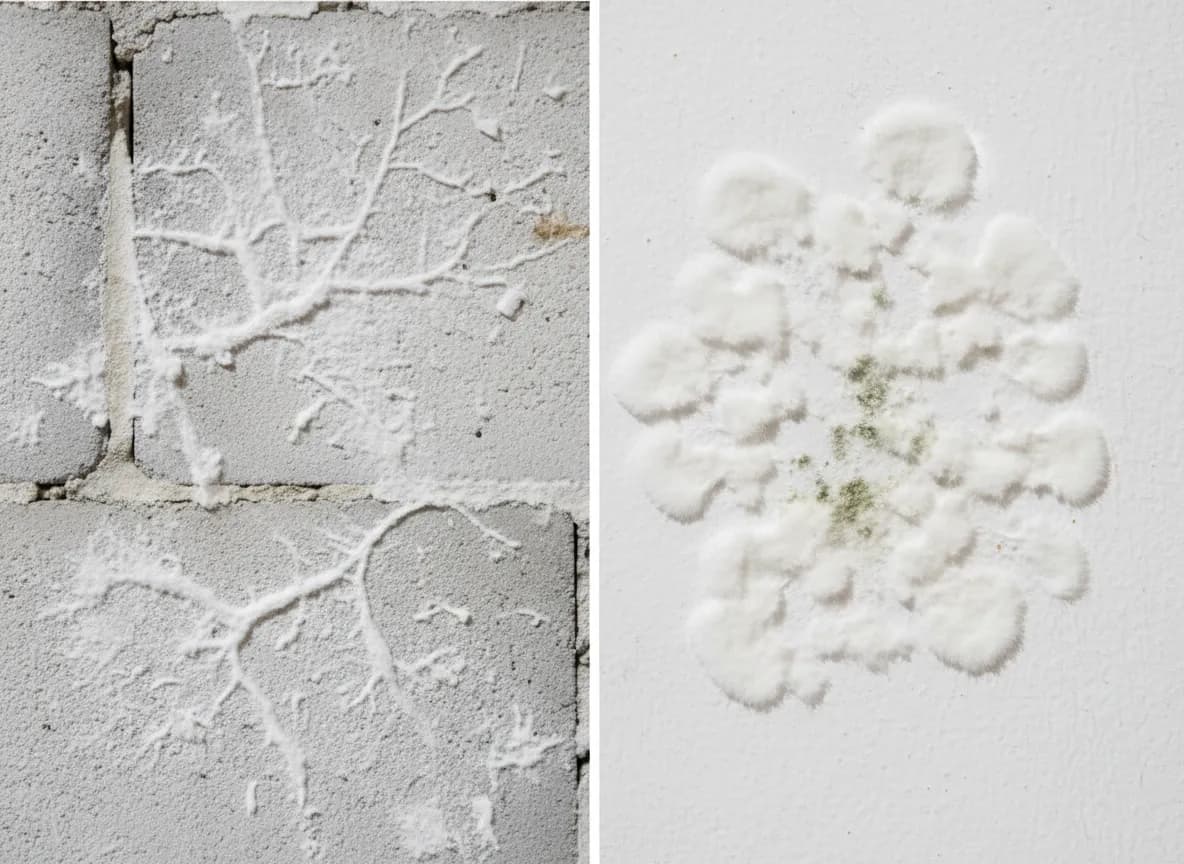
- White, fuzzy growth on concrete (could be mold or efflorescence; see our basement mold guide for how to tell the difference)
- Peeling paint or bubbling drywall
- Water stains or tide marks from past flooding
Smell:
- Persistent musty, earthy odor that doesn't go away with cleaning
- Smell gets stronger after rain or during humid weather
Physical signs:
- Damp or wet walls, especially along the floor line
- Condensation on windows, pipes, or concrete surfaces
- Warped wood trim or baseboards
- Carpet that feels damp or has a musty smell
Health: symptoms can't tell you whether your basement has mold. If anyone in your household has respiratory symptoms that improve away from home, mention it to a doctor, though that pattern doesn't show that mold is the cause.
If you're unsure, a professional mold inspection can establish whether there's a moisture problem and how far any growth reaches, with sampling only where it answers a defined question.
What Basement Mold Remediation Costs in Atlanta
We don't have Atlanta figures we'd stand behind, so these are national ones, each from a named source. Where an Atlanta basement falls among them depends on the size of the problem and whether the basement is finished.
| Job | Price | Source |
|---|---|---|
| Basement mold remediation | $500 – $3,000 | HomeAdvisor, method not given |
| A typical remediation job, any room | $1,223 – $3,757 (average $2,369) | HomeAdvisor, 7,952 reported project costs |
| Several areas | $3,757 – $10,000 | No source measures this band; it runs between two that are sourced |
| Drywall repair afterward | $1,000 – $2,900 | HomeAdvisor, method not given |
| Carpet replacement afterward | $775 – $2,600 | HomeAdvisor, method not given |
Finished basements cost more because drywall, insulation, and carpet usually need to be removed to access the mold and the moisture source behind them. Rebuilding afterward is an additional cost.
The fixes that make it less likely to come back:
- Basement waterproofing: $2,460 – $8,205, average $5,245, from 5,794 costs reported to HomeAdvisor (interior and exterior methods together)
- A whole-house dehumidifier, installed: $1,300 – $2,800 (HomeAdvisor, no sample reported)
- Sump pump replacement: $645 – $2,120, average $1,362, from 1,696 costs reported to HomeAdvisor
For a complete breakdown of Atlanta mold costs across all project types, see our Atlanta mold remediation cost guide.
What the Remediation Process Looks Like
Professional basement mold remediation in Atlanta typically follows these steps:
1. Assessment and Moisture Source Identification
The remediator inspects your basement to map the affected areas and, critically, to investigate the moisture source, which you or the right trade then fix. Removing the mold without fixing the water problem rarely lasts: while the moisture continues, the growth can come back.
2. Containment
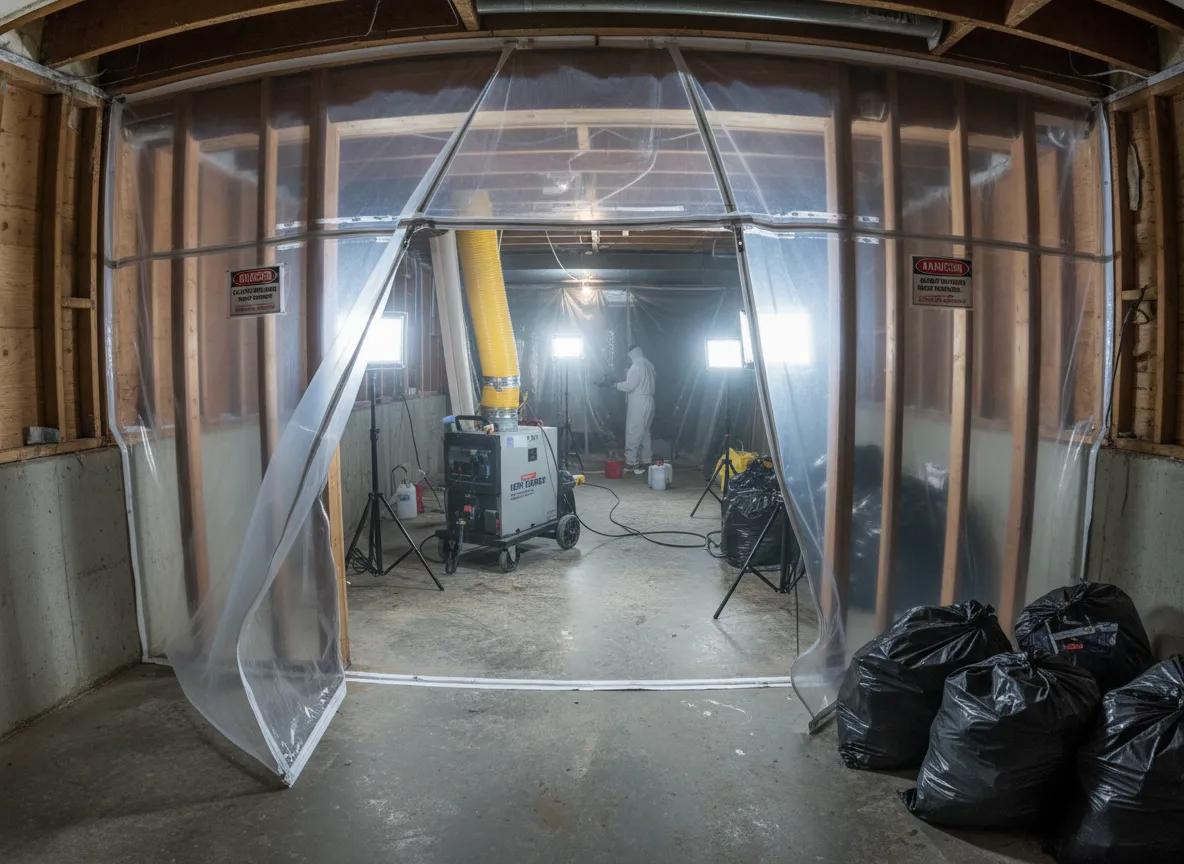
Plastic sheeting, sized to the job, seals off the work area, and negative air pressure keeps the work area at lower pressure than the rooms around it. The aim is to keep contamination from spreading to the rest of your home during removal. This is especially important in basements where a contaminated HVAC system can distribute spores or fragments beyond the source area.
3. Material Removal
In finished basements, contaminated drywall, insulation, and carpet are cut out and bagged for disposal. The remediator cuts drywall back beyond the visible mold line, since growth can extend further than what you can see.
4. Cleaning
Remaining structural surfaces (concrete, wood framing, block walls) are cleaned with HEPA vacuums and damp wiping, with an antimicrobial applied only where the project protocol calls for one. The goal is to return the space to normal background levels, not sterilize it completely.
5. Drying
Industrial dehumidifiers and air movers dry the space thoroughly. This is critical; if moisture levels aren't brought down before reconstruction, mold can return. In Atlanta's climate, this step often takes longer than in drier cities.
6. Post-Remediation Verification
The remediator documents its own post-remediation evaluation on every job. Where an independent verification, what most people call clearance testing, is required or requested, an independent professional checks the work against completion criteria confirmed, as far as possible, before the work starts; that may or may not include air sampling, and it establishes a probable return to normal conditions rather than proof. Reconstruction follows documented completion. One Austin assessor's published price for it is $200 to $600, and it gives you an independent check on the remediator's own sign-off.
How to Prevent Basement Mold in Atlanta
Control Moisture at the Source
- Fix drainage around your foundation (extend downspouts at least 6 feet from the house, grade soil away from the foundation)
- Repair foundation cracks: seal any visible cracks in walls and floor with hydraulic cement
- Install a sump pump if you don't have one: essential for Atlanta basements
- Consider waterproofing: interior drain systems collect water before it reaches finished spaces
Control Humidity
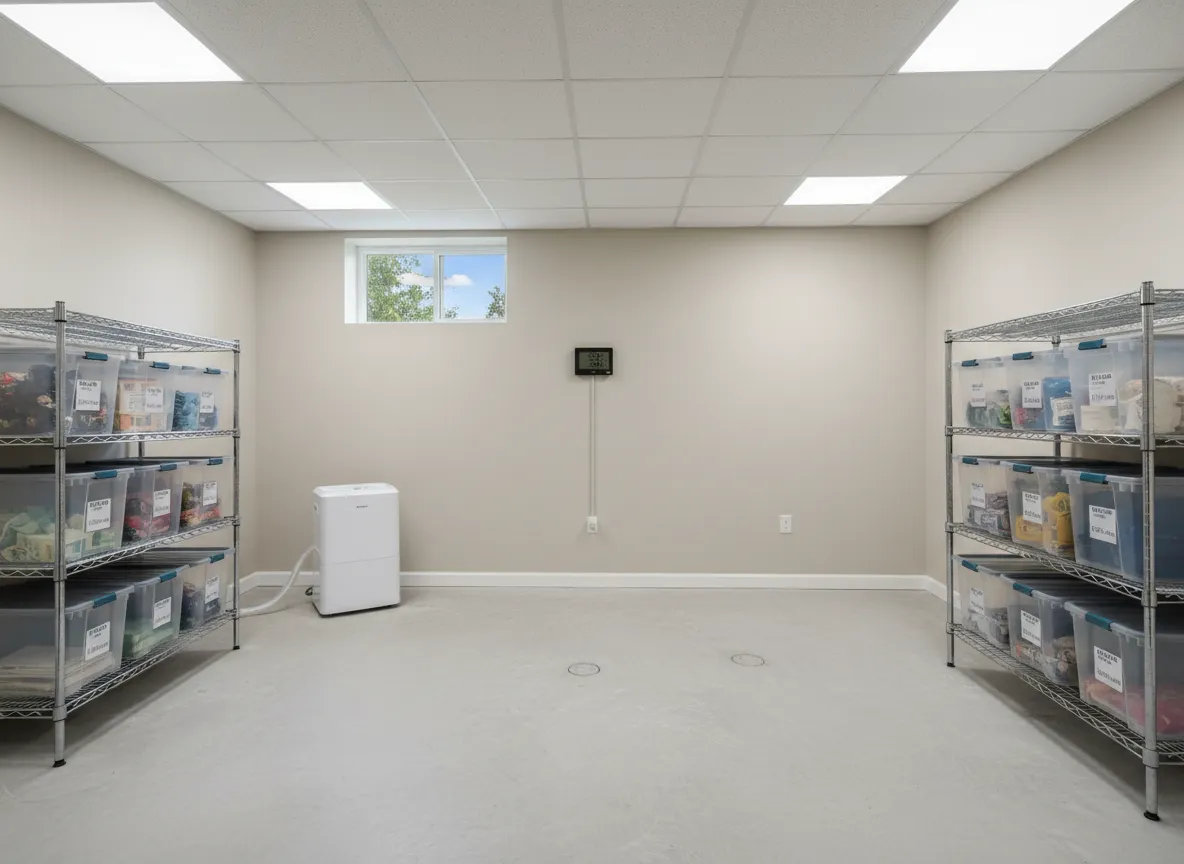
- Run a dehumidifier year-round: target 30-50% relative humidity
- Don't rely on your HVAC system alone: it helps but isn't designed for basement moisture control
- Ensure adequate ventilation (basement bathrooms need exhaust fans, and finished areas need airflow)
- Monitor humidity with an inexpensive hygrometer; it's worth every penny
Build Smart (If Finishing Your Basement)
If you're finishing or re-finishing your Atlanta basement:
- Use cement board or mold-resistant drywall instead of paper-faced drywall
- Choose tile, polished concrete, or luxury vinyl plank instead of carpet
- Install a vapor barrier on concrete walls before framing
- Leave a gap between framing and foundation walls for air circulation
- Use closed-cell spray foam instead of fiberglass insulation
Regular Monitoring
- Check for moisture after every heavy rain
- Inspect sump pump operation monthly
- Look for new cracks, stains, or musty odors quarterly
- Service your dehumidifier annually
Connect with a Verified Professional
Every mold professional we list in Atlanta is identity-checked, with insurance and certifications verified when a company supplies them. Basement mold remediation requires experience with foundation moisture; look for companies that specifically mention basement and waterproofing expertise. For help choosing the right contractor, see our hiring guide and questions to ask.
We also cover the greater Atlanta metro including Marietta and other Georgia cities.
For national context on basement mold, see our comprehensive basement mold guide. For general remediation pricing, see our cost guide. Dealing with basement mold in other Georgia cities? See our guides for Savannah and Augusta.