Atlanta Mold Remediation Cost (2026): $1,249–$4,361
Angi puts mold remediation in the Atlanta area at $1,249 to $4,361, average $2,779, from 358 reported jobs. What raises an Atlanta quote.
Angi puts mold remediation in the Atlanta area at $1,249 to $4,361, with an average of $2,779, from 358 project costs reported by its members. That's the only Atlanta figure we've found that says what it's based on. Nationally, a typical job runs $1,223 to $3,757, with an average of $2,369, from 7,952 project costs reported to HomeAdvisor.
Neither figure says how big the jobs were, so where your quote falls isn't really about the mold itself. It's four local factors that move the number without changing the size of the patch.
Red clay soil pushes moisture against foundations. Summers stay humid for months. Finished basements trap that moisture behind drywall and carpet. And the inspector you hire may also profit from the remediation work, which gives them an incentive that can push the quote up whether you realize it or not.
No guide can see your specific job, but the four drivers below are what move most Atlanta quotes. Stick with the cost table if that's all you need. Read past it if you want to know which of the four drivers is moving your number.
Cost Insights
$1,249 – $4,361
Average: $2,779 for the Atlanta area, from 358 project costs reported to Angi. Nationally, a typical job runs $1,223 – $3,757.
- Angi puts the Atlanta area at $1,249 to $4,361, average $2,779, from 358 project costs reported by its members.
- An independent assessment costs $303 to $1,075 nationally, average $689, from 8,354 inspection costs reported to HomeAdvisor.
- HomeAdvisor prints $500 to $3,000 for basement mold and $3,000 to $10,000 for HVAC systems, both without a stated method.
- Clay soil, finished basements and months of constant AC can push an Atlanta job toward the costly end.
- Where a job gets an independent verification, a clearance test runs $200 to $600 on one Austin assessor's published price sheet. It establishes a probable return to normal conditions, not proof.
In This Guide
- What a job costs in Atlanta: Angi's Atlanta-area figure beside the national ones
- The cost-driver most Atlanta homeowners don't see coming: assessor independence, and why we recommend it
- Cost by project type: basements, bathrooms, HVAC, crawl spaces, attics
- What moves the price in Atlanta specifically: clay, humidity, finished basements, neighborhoods, season
- Four Atlanta houses: composite profiles of what drives each job
- Will your Georgia homeowner policy cover it?: coverage caps and claim patterns
- How to get accurate quotes: what to look for and what to walk away from
What a job costs in Atlanta
Angi's figure is the one local number here. Angi labels it "Atlanta, GA" and gives the same figure for suburbs like Decatur, so read it as the Atlanta area rather than the city. Every other row is national, each from a named source. Where your job falls among them depends on the four factors below.
| Job | Price | Source |
|---|---|---|
| A typical job, Atlanta area | $1,249 – $4,361 (average $2,779) | Angi, 358 reported project costs |
| A small patch | $287 – $755 | National pros' quotes on Thumbtack, not final bills |
| A typical job, nationally | $1,223 – $3,757 (average $2,369) | HomeAdvisor, 7,952 reported project costs |
| Several areas | $3,757 – $10,000 | No source measures this band; it runs between two national figures that are sourced |
| HVAC system | $3,000 – $10,000 | HomeAdvisor, method not given |
| Whole house | $10,000 – $30,000+ | HomeAdvisor, method not given |
A remediation price covers containment, removal, cleaning, HEPA filtration and disposal. The assessor's visit and any post-remediation verification are priced as their own lines. Our national cost guide explains where each figure comes from.
The cost-driver most Atlanta homeowners don't see coming
The most consequential cost decision you make on a mold project isn't which remediator you hire. It's whether you hire an independent assessor first. Nationally, an assessment costs $303 to $1,075, with an average of $689, from 8,354 inspection costs reported to HomeAdvisor.
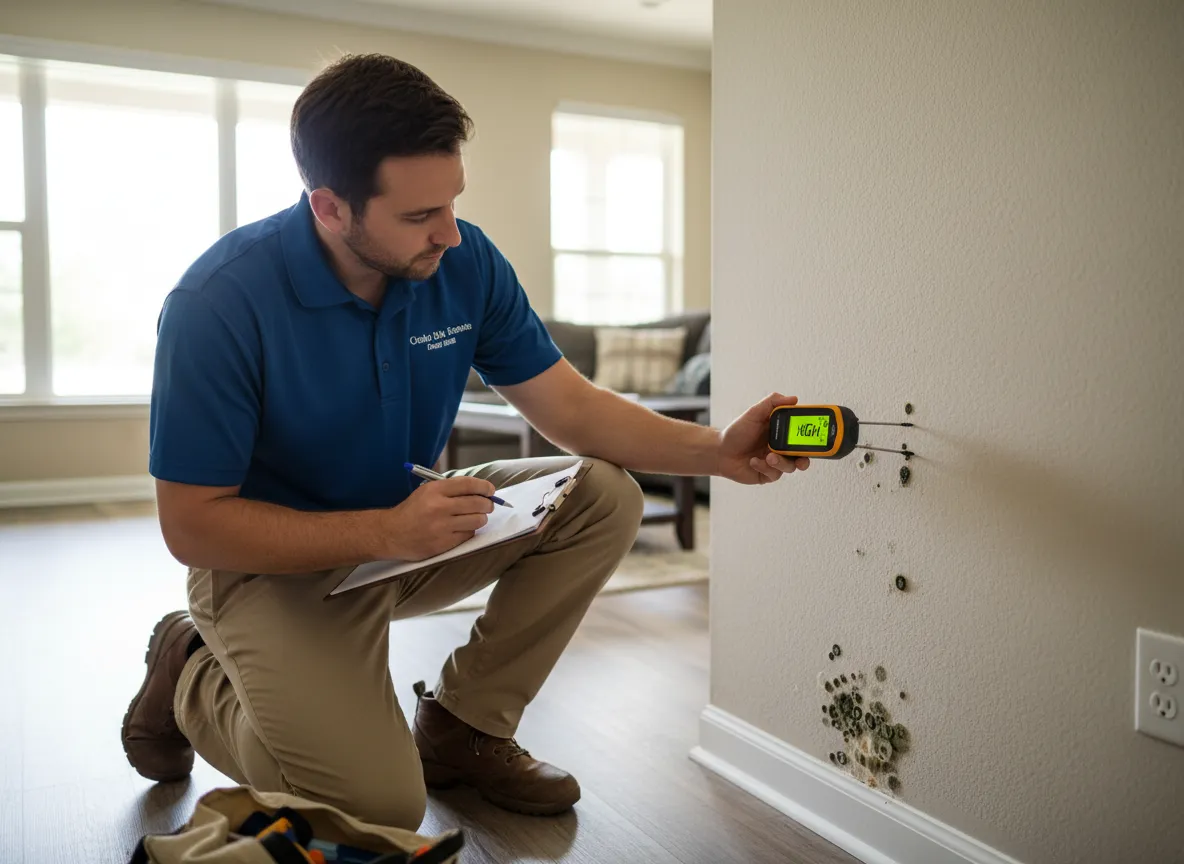
Here's the mechanism. A mold assessor diagnoses your problem from the building's water history, a visual inspection and moisture readings, adding samples only when they answer a question the inspection can't. They write a remediation protocol; that protocol is your blueprint for getting comparable bids from multiple remediators. They walk away when the report is delivered. They don't quote remediation work.
A dual-role inspector charges nothing for the inspection ("free inspection!") because the inspection is the loss-leader; the remediation upsell is the revenue. Same data collection, two completely different incentive structures. The dual-role inspector has a financial reason to call the patch bigger than it is, recommend tearing out adjacent materials that don't need to come out, and quote at the high end of every band. That doesn't make every free inspection inflated; it means the incentive points one way.
Georgia doesn't require separate companies, so keeping the assessment and the remediation apart is our recommendation rather than a legal rule.
For the full mechanism, see our guide on why we recommend different companies for the inspection and the remediation. For inspection pricing specifics, what an independent assessment costs breaks down what you're paying for at each price point.
That's driver one. The other three are about Atlanta itself.
Cost by project type
HomeAdvisor prints a national figure for each place mold turns up, without saying how it measured any of them, so read these as rough guides to how location moves the price:
| Where the mold is | HomeAdvisor's national figure |
|---|---|
| Bathroom | $500 – $1,000 |
| Crawl space | $500 – $2,000 |
| Basement | $500 – $3,000 |
| Attic | $1,000 – $4,000 |
| HVAC system | $3,000 – $10,000 |
What pushes each one in Atlanta:
Basement mold
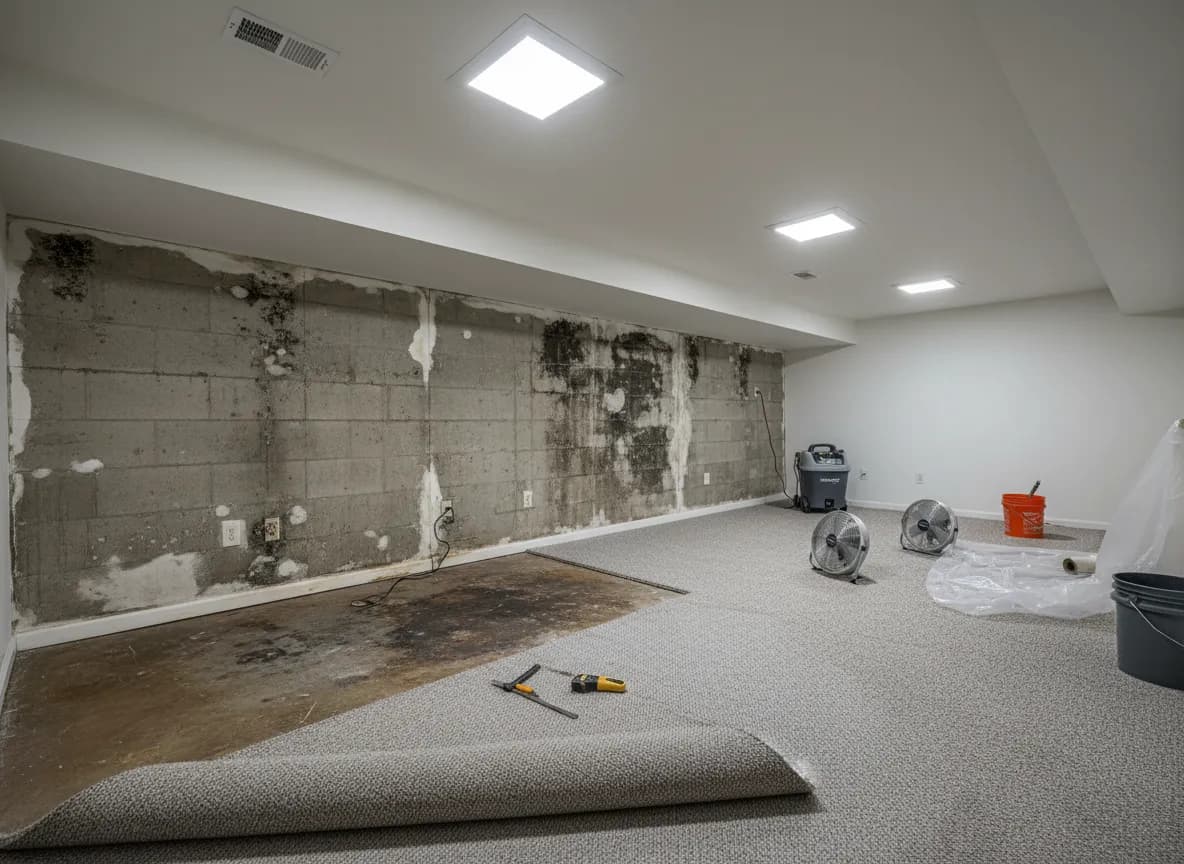
Atlanta basements can run past that figure because Georgia's red clay traps moisture against foundations and most basement materials are porous. Wet or moldy drywall, carpet, and insulation often can't be cleaned and are commonly removed, and in a finished basement they're also what stands between the crew and the mold and moisture source behind them.
The other thing that drives basement cost up is recurrence. Remediation that leaves the moisture source in place leaves the conditions that grew the mold, so it can come back. Correcting the source is the owner's job, often with a separate trade (foundation drainage, a sump pump, dehumidification), so budget for it alongside the remediation; a good remediator flags it in writing rather than quoting around it. For why Atlanta basements are so prone to it, see our basement mold in Atlanta guide.
Bathroom mold
Bathroom mold is usually the cheaper kind because the affected areas are small and accessible. The exception is mold that's gotten behind tile or into wall cavities from a slow shower-valve or supply-line leak. That can push costs to the high end because crews have to remove tile, cement board, and sometimes plumbing access panels.
HVAC system mold
Constant AC use from May through October can create condensation that lets mold grow in ductwork. Once mold is in your ductwork, running the system can carry spores or fragments beyond the source area. HVAC remediation means cleaning every component the contamination has reached, not just the visible mold, and replacing porous parts such as duct liner, duct board or flex duct that can't be cleaned, which is why it's the most expensive category for a project that doesn't involve tearing out drywall.
Crawl space mold
Atlanta crawl spaces trap ground moisture and humid outdoor air. Remediation often includes encapsulation (sealing the crawl space with a vapor barrier) which adds to the cost but reduces the likelihood of the problem coming back by controlling the moisture. If your crawl space has standing water or vapor barrier damage, expect the higher end.
Attic mold
Attic work is simpler than basement work because the materials are more accessible and the source is usually a single fix: a roof leak, a vent boot failure, or inadequate ventilation. The investigation can take longer because attic moisture sources hide better than basement ones.
What moves the price in Atlanta specifically
Beyond project size, four local factors push the number up or down.
Red clay soil and foundation moisture. Georgia red clay holds far more water than sandy soil; after a heavy rain it stays waterlogged for days. That saturated clay pushes moisture directly against foundation walls through hydrostatic pressure. Many Atlanta mold jobs aren't just remediation; they're remediation plus addressing the water source. If your remediator quotes you without flagging the moisture source, ask why: correcting it is usually the owner's job, but a remediator should flag it in writing as a condition of the work, and remediation that leaves it in place leaves the conditions that grew the mold.
Humid summers. Atlanta's summers are long and humid. When warm humid air touches a surface at or below its dew point, such as a basement wall cooled by the soil behind it, condensation forms even without an active water leak. Your basement can grow mold from condensation alone. The implication for cost: in Atlanta, humidity control is a permanent cost-of-ownership, not a one-time fix.
Finished basements. Finished Atlanta basements cost more to remediate because wet or moldy drywall, insulation, and carpet are commonly removed, and they're in the way of reaching the mold. An unfinished basement with exposed concrete is much easier to monitor, dry, and remediate. Most Atlanta homeowners love their finished basements for the extra living space, however that decision has a permanent moisture-management cost attached.
Atlanta neighborhoods
We don't have neighborhood figures. What changes from one part of metro Atlanta to another is the house, and the house changes how long the job takes:
| Area | What can change the job |
|---|---|
| Intown (Midtown, Buckhead, Va-Highland, Grant Park) | Older construction, tighter lot access, plaster walls, aging plumbing |
| OTP suburbs (Marietta, Roswell, Alpharetta, Sandy Springs) | Newer construction, easy driveway access, standard drywall |
| South metro (East Point, College Park, parts of Decatur) | Smaller average homes |
| North GA exurbs (Cherokee, Forsyth, Hall) | A mix of old farmhouses and new construction |
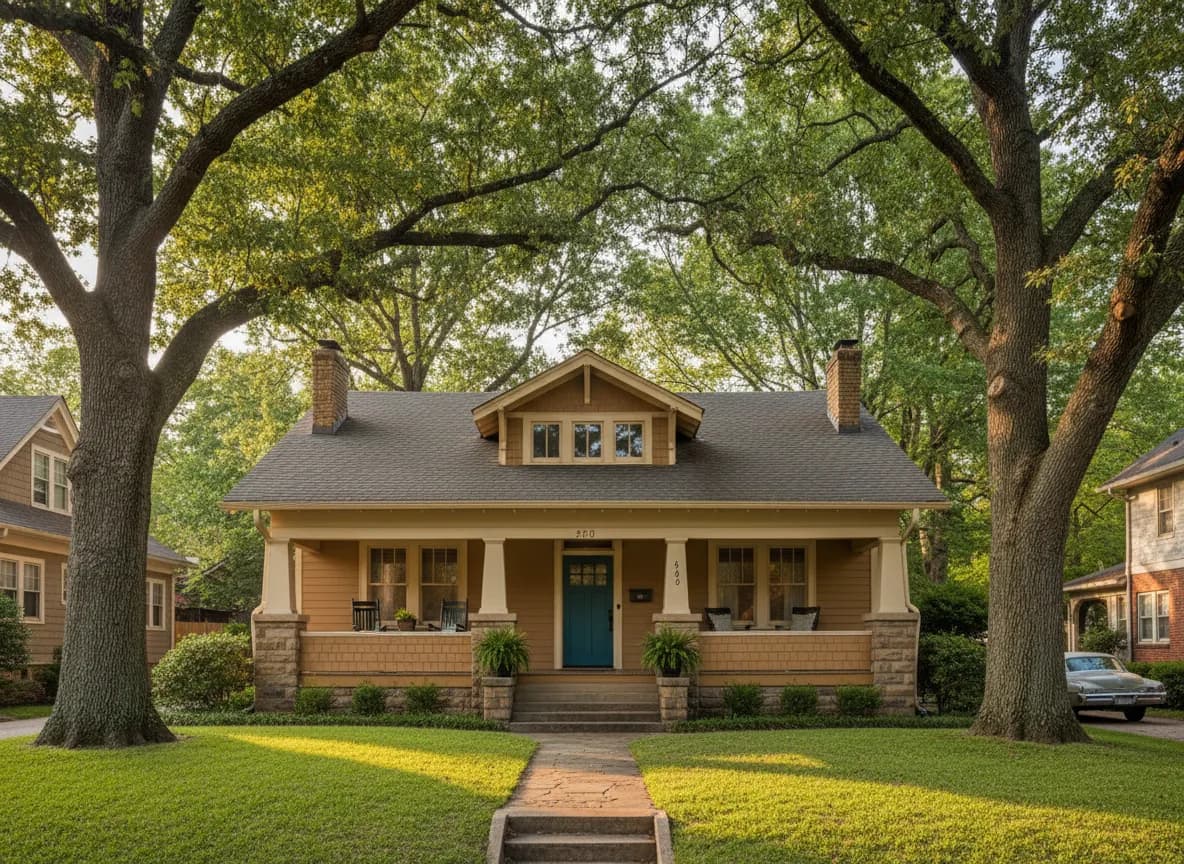
Intown homes can pay more for the same patch because of access, not because the mold is different. A Buckhead bungalow with plaster walls and a tight side yard takes longer to set up and clean up than the same project in a Roswell driveway-on-three-sides ranch. The work is the same; the time is different, and time on a mold job is what you're paying for after materials.
Season
Atlanta's humid summer months are when this matters most: indoor surfaces stay cooler than the outdoor air, and condensation on cool surfaces can feed growth even in homes without a leak.
If your mold problem can wait until October, you'll typically get on the calendar faster. The exception is a household with someone at higher risk, such as a person with asthma, mold allergies or a weakened immune system. They shouldn't be around the work, and their health questions go to a doctor; getting the job done sooner is when paying the rush premium can make sense regardless of season.
Four Atlanta houses: what moves the price
The drivers above are easier to see in a house. These four are composites built from those drivers, not specific customers. They carry no prices, because Angi's Atlanta figure doesn't say what kind of job each reported cost came from, so it can't price one particular house.
Decatur bungalow. Kitchen wall mold from a slow dishwasher leak, around 25 sq ft of contaminated drywall behind the cabinet run. An independent assessment up front kept the homeowner from getting quoted "full kitchen tear-out" by a dual-role inspector who wanted to take out adjacent cabinetry that wasn't contaminated.
Marietta two-story, finished basement. Black mold patch (around 12 sq ft) behind drywall along a foundation wall after a wet spring. Moldy drywall like that is commonly removed either way. The assessor's protocol determined which adjacent areas needed to come out too, which can double the size of the job.
Buckhead 1940s Tudor. Bathroom tile + plaster + cast-iron plumbing combo; recurring moisture from a slow shower-valve leak. Plaster repair is harder than drywall replacement, so the job runs slower. The assessor flagged the plumbing as the real fix; a quote that left the shower-valve leak in place would have left the conditions that grew the mold.
Roswell ranch. Crawl space mold across joists after a humid summer, no specific leak. The assessor recommended encapsulation, not just remediation, because the moisture source was vapor not water. Encapsulation costs more up front, however controlling that vapor is what reduces the chance of the same crawl space growing mold again next August.
Will your Georgia homeowner policy cover it?
Most Georgia homeowner policies cover mold remediation only when the mold results from a covered peril:
- A burst pipe. Sudden plumbing failure and water damage, with mold to follow if the wet materials aren't dried quickly.
- Storm damage. Roof leak after a verified storm, water intrusion you reported promptly.
- Appliance failure. Dishwasher, washing machine, water heater sudden leak.
Insurance usually doesn't cover mold from:
- Ongoing humidity or poor ventilation. Atlanta's default condition; carriers won't pay for it.
- Slow leaks you didn't address. "We knew about the leak for six months" is a denial.
- Flooding. Requires separate flood insurance through NFIP. Storm + sewer backup + groundwater = gray area.
- General maintenance issues. Foundation crack you've been ignoring, gutter blockage, etc.
Many policies cap mold coverage with a separate limit. Check your specific policy for the actual dollar figure on YOUR mold rider before you commit to remediation. The cap moves around with endorsements, and you don't want to find out what it is after the job has come in over it.
If your mold came from flood damage specifically, see our guide on mold after hurricane flooding in Georgia for the separate-policy-and-claim path.
Tips for filing a claim
- Document everything before cleanup starts. Photos, videos, dates. Time-stamped photos are the gold standard. Don't hold off stopping a leak or starting to dry things out while you do it.
- Report immediately to your insurance company. The minute you discover water damage, not the minute you discover mold.
- Get an independent inspection. Not from the company that will do the remediation. The dual-role conflict applies to insurance claims too.
- Get multiple written quotes with itemized breakdowns. Adjusters benchmark against multiple quotes; lump-sum quotes look suspicious.
- Save all receipts including temporary housing if Additional Living Expenses (ALE) applies.
How to get accurate quotes
Getting reliable quotes in Atlanta means doing a little homework upfront.
Get at least three quotes. Prices can vary a lot between companies for the same patch. Three quotes give you a realistic range for your specific situation.
Insist on an on-site visit. Any company that gives you a firm quote over the phone without seeing the mold hasn't seen enough mold. The range of possible problems is too wide for remote estimates.
Look for itemized pricing. Your quote should break down containment, removal, cleaning, and disposal separately, with any antimicrobial the protocol calls for and any independent verification on their own lines. Lump-sum quotes make it impossible to compare across companies.
Ask how completion will be verified, and against what criteria. A reputable company documents its own post-remediation evaluation and, where verification is required, requested or the job calls for one, arranges or recommends an independent verifier. Where sampling is part of that, one Austin assessor's published price for it is $200 to $600. Sampling is one method among several and it establishes a probable return to normal conditions rather than proof the job was perfect.
Verify credentials. Georgia doesn't require a state mold remediation license, so you need to check yourself. Ask which IICRC or ACAC credentials the people who will supervise and do your job hold, and whether they match the work, plus proof of general liability and pollution liability insurance. What mold testing costs separately in Atlanta explains the credentialing on the assessor side too.

What should make you walk away from a quote
- "Free inspection." The inspection is the loss-leader; the remediation upsell is the revenue. That doesn't make every free inspection inflated, but the incentive points one way. Independent assessors charge for the inspection because that's their entire revenue on the job.
- No on-site visit before the quote. The range of mold problems is too wide for a phone or email estimate. A remediator who quotes without seeing the patch is selling you a number, not a job.
- Lump-sum quote with no scope breakdown. Get containment, removal, cleaning, and disposal priced separately, with any antimicrobial and any independent verification on their own lines, or you can't compare quotes across companies.
- "We'll do the testing too." That's the dual-role arrangement, and Georgia doesn't prohibit it; we'd still hire your assessor separately even if it costs more up front.
- "Bundle deal if you sign today." Remediation isn't a Black Friday purchase. A reputable company's quote is good for at least 30 days and doesn't move based on urgency theater.
More Atlanta mold resources
- Mold Testing in Atlanta. What to expect for professional mold testing and inspections in metro Atlanta.
- Basement Mold in Atlanta. Why Atlanta basements are especially vulnerable and what to do about it.
- Mold After Flooding in Georgia. The critical steps after water damage or hurricane flooding.
- Assessor vs. Remediator: The conflict of interest. Why we recommend different companies for the inspection and the remediation, in detail.
Connect with a verified Atlanta professional
Every mold professional we list in Atlanta is identity-checked, with insurance and certifications verified when a company supplies them. Compare credentials, check the assessor-vs-remediator distinction we cover above, and connect with a professional who can give you an accurate quote for your specific situation.
We also cover other Georgia cities including Savannah, Marietta, Augusta, Macon, Columbus, and more.