Mold Remediation Cost Savannah: $1,000–$6,000 (2026)
Savannah mold remediation costs $1,000–$6,000 for most homes. Historic home surcharges, HVAC costs, insurance coverage, and how to get accurate quotes.
Cost Insights
$1,000 – $6,000
Average: ~$2,200 for residential mold remediation in Savannah
- Savannah mold remediation costs an average of $2,200 per project, with most homeowners paying $1,000 to $6,000.
- A professional mold inspection in Savannah costs $250 to $600.
- Historic home remediation adds $500 to $2,000 above standard costs.
- HVAC mold remediation costs $2,500 to $8,000 in Savannah.
- Post-remediation clearance testing costs $200 to $400.
Mold Remediation Cost
Find a Verified ProNormal range for the U.S.
$1,500 – $6,500
Savannah's coastal climate, high water table, and stock of historic homes create mold conditions that are distinct from other Georgia cities. Understanding what drives costs locally helps you evaluate quotes and avoid paying more than necessary.
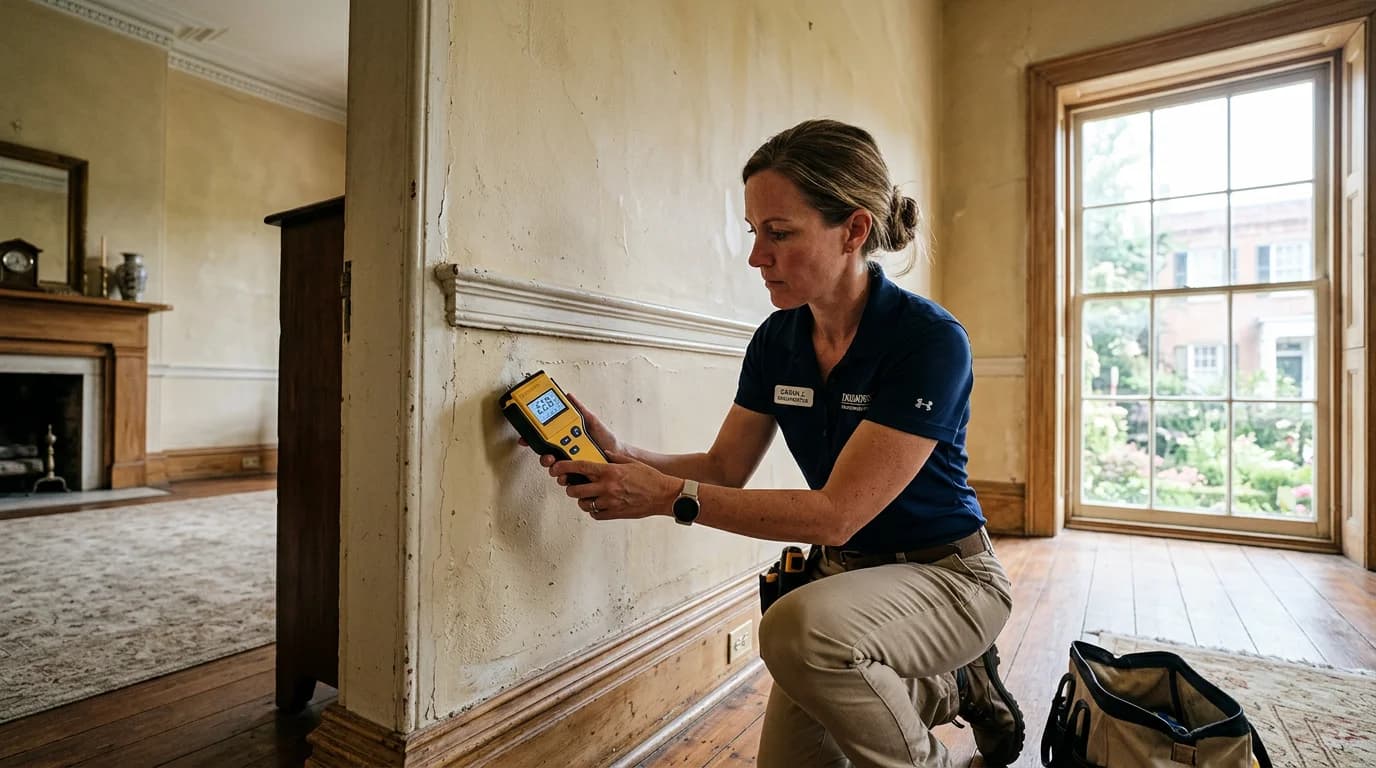
This guide breaks down real Savannah mold remediation pricing so you know what to expect before getting quotes.
In This Guide
- Average Savannah Costs: Local pricing ranges
- Cost by Project Type: Basements, bathrooms, HVAC, crawl spaces
- Historic Home Factors: What drives costs higher in the historic district
- What Affects the Price: Local factors
- Inspection Costs: What to expect for testing
- Insurance in Savannah: Coverage and flood insurance
- Getting Quotes: What to look for
- Find a Pro: Verified Savannah remediators
What Savannah Homeowners Actually Pay
Here's what mold remediation typically costs in the Savannah area:
| Project Size | Cost Range | Common Scenarios |
|---|---|---|
| Small (under 10 sq ft) | $500 – $1,500 | Bathroom mold, small wall section |
| Medium (10-30 sq ft) | $1,500 – $4,000 | Single room, closet, crawl space section |
| Large (30-100 sq ft) | $4,000 – $7,000 | Basement area, multiple rooms |
| Extensive (100+ sq ft) | $7,000 – $15,000+ | Full basement, structural involvement, historic home complexity |
Most Savannah projects fall in the $1,500 to $4,000 range. That covers a typical single-room remediation with containment, removal, treatment, and clearance testing.
Cost by Project Type
Basement Mold ($2,500 – $7,000)
Basements are among the most common and most expensive mold problems in Savannah. Coastal humidity, a high water table, and older foundations create persistent moisture that few basements escape without active management. For a detailed breakdown of basement-specific costs and causes, see our Savannah basement mold guide.
Bathroom Mold ($400 – $2,000)
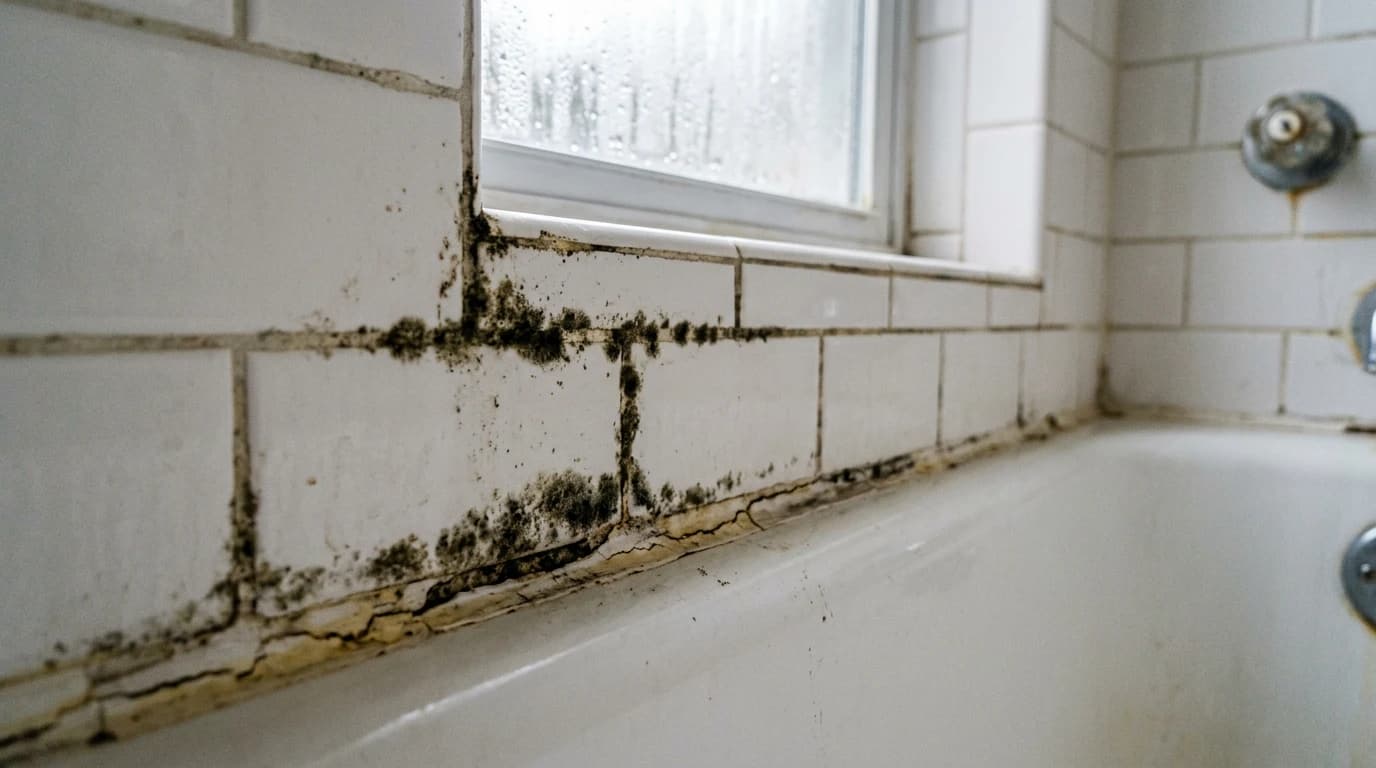
Bathroom mold is typically on the lower end of the cost range since the affected area is small and accessible. Mold that's gotten behind tile or into wall cavities from a slow leak pushes to the higher end.
HVAC System Mold ($2,500 – $8,000)
Savannah's AC systems run nearly year-round. That constant cycling creates condensation inside ducts and air handlers, and mold in your HVAC system can spread spores to every room in the house. HVAC remediation requires specialized cleaning of the full system and costs more than surface remediation.
Crawl Space Mold ($1,500 – $5,000)
Crawl spaces in Savannah's coastal environment are extremely vulnerable. Ground moisture, humid outdoor air, and inadequate ventilation create ideal mold conditions. Remediation often includes encapsulation (installing a vapor barrier across the crawl space floor and walls), which prevents the problem from coming back.
Attic Mold ($1,500 – $4,500)
Attic mold usually results from poor ventilation or a roof leak. In older Savannah homes with original wood framing, attic mold can spread quickly once it starts. Remediation is typically less expensive than basements because the space is more accessible.
Historic Home Cost Factors
Savannah's historic district adds a layer of complexity that doesn't exist in other markets:
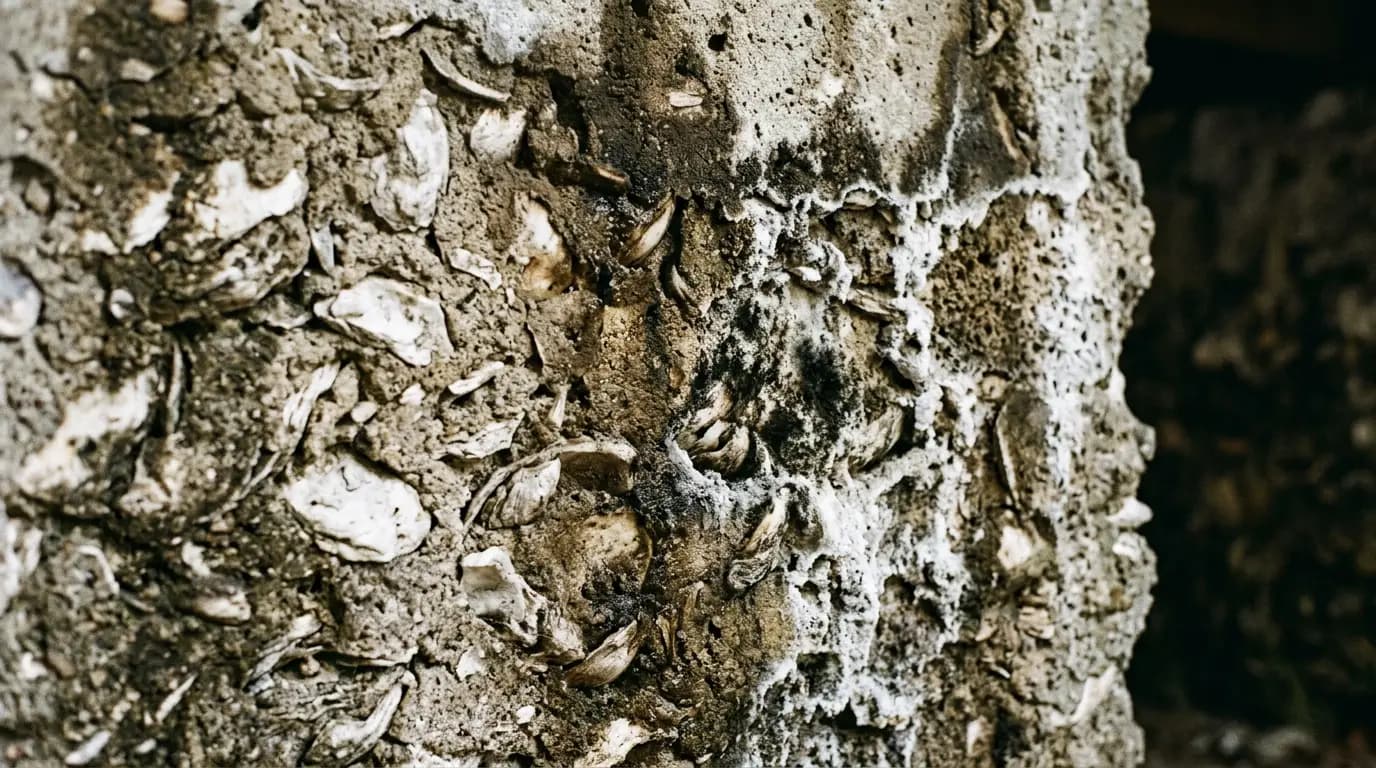
Tabby and old brick foundations: Savannah's original tabby foundations (oyster shells, sand, and lime) and handmade brick are more porous than modern concrete. Cleaning and treating these materials requires care, and standard waterproofing products may not be appropriate.
Original plaster walls: Many historic homes have original lime plaster rather than drywall. Plaster remediation is more labor-intensive and requires a different approach than cutting out and replacing drywall.
Preservation compliance: If your home is in a local historic district or on the National Register, certain moisture control methods may be restricted. Some waterproofing approaches aren't allowed because they alter the character of historic materials.
Specialist availability: Fewer contractors have genuine experience with historic preservation requirements. Those who do often charge a premium for that expertise.
Expect to add $500 to $2,000 to a standard remediation cost for a home in Savannah's historic district or built before 1940.
What Affects Savannah Mold Remediation Costs
Several Savannah-specific factors drive costs above or below the state average:
Coastal humidity. Year-round humidity creates mold that grows faster and spreads more widely than in drier climates. Problems that might stay contained in Atlanta can become extensive in Savannah's coastal air.
High water table. Persistent groundwater pressure means moisture intrusion is often ongoing rather than event-driven. Remediating the mold without also addressing the water source is a short-term fix.
Historic materials. As covered above, tabby, old brick, and original plaster all require more careful handling and can't be treated the same way as modern materials.
Flood zone location. Many Savannah properties are in FEMA flood zones. Post-flood mold jobs are often more extensive because water saturates wall cavities and structural elements before homeowners can respond.
Salt air. Savannah's salt-laden coastal air can mask musty mold odors and corrode moisture monitoring equipment. Professional assessment matters more here because sensory detection is less reliable.
Mold Inspection Costs in Savannah
Before committing to any remediation company, an independent mold inspection gives you an accurate picture of the problem. In Savannah, expect:
| Service | Cost Range |
|---|---|
| Visual inspection + moisture mapping | $250 – $450 |
| Inspection + air sampling | $350 – $600 |
| Lab analysis for air/surface samples | $150 – $350 (add-on) |
| Post-remediation clearance testing | $200 – $400 |
Getting an inspection from a separate company before hiring a remediator is worthwhile, especially in Savannah where historic homes can hide extensive mold behind original materials. See our mold inspection cost guide and assessor vs. remediator guide for more on why separation matters.
Insurance and Mold in Savannah
What Georgia Homeowners Policies Cover
Most Georgia homeowners policies cover mold remediation when:
- Mold resulted from a sudden, accidental event: burst pipe, appliance failure, or storm damage
- You reported the damage promptly; delays give insurers grounds to deny
- The underlying cause is a covered peril under your specific policy
Insurance typically does not cover mold from:
- Ongoing humidity or chronic moisture
- Slow leaks you didn't address in a timely manner
- General maintenance failures
- Flooding
Flood Insurance in Savannah
This is particularly important for Savannah homeowners. The city sits in a coastal flood zone, and standard homeowners policies do not cover flood damage. If your basement or crawl space molds after a tropical storm, storm surge, or tidal flooding event, you need flood insurance to cover the remediation.
FEMA's National Flood Insurance Program (NFIP) is the most common flood coverage for Savannah homeowners. Private flood insurance is also available and can offer broader coverage. If you're in a flood zone and don't have flood insurance, contact your insurer or agent. Savannah's flood risk makes it a practical necessity.
Policy limits: Many Georgia policies cap mold coverage at $5,000 to $25,000. For larger remediation projects, especially in historic homes, confirm your coverage limit before work begins.
Filing a Claim
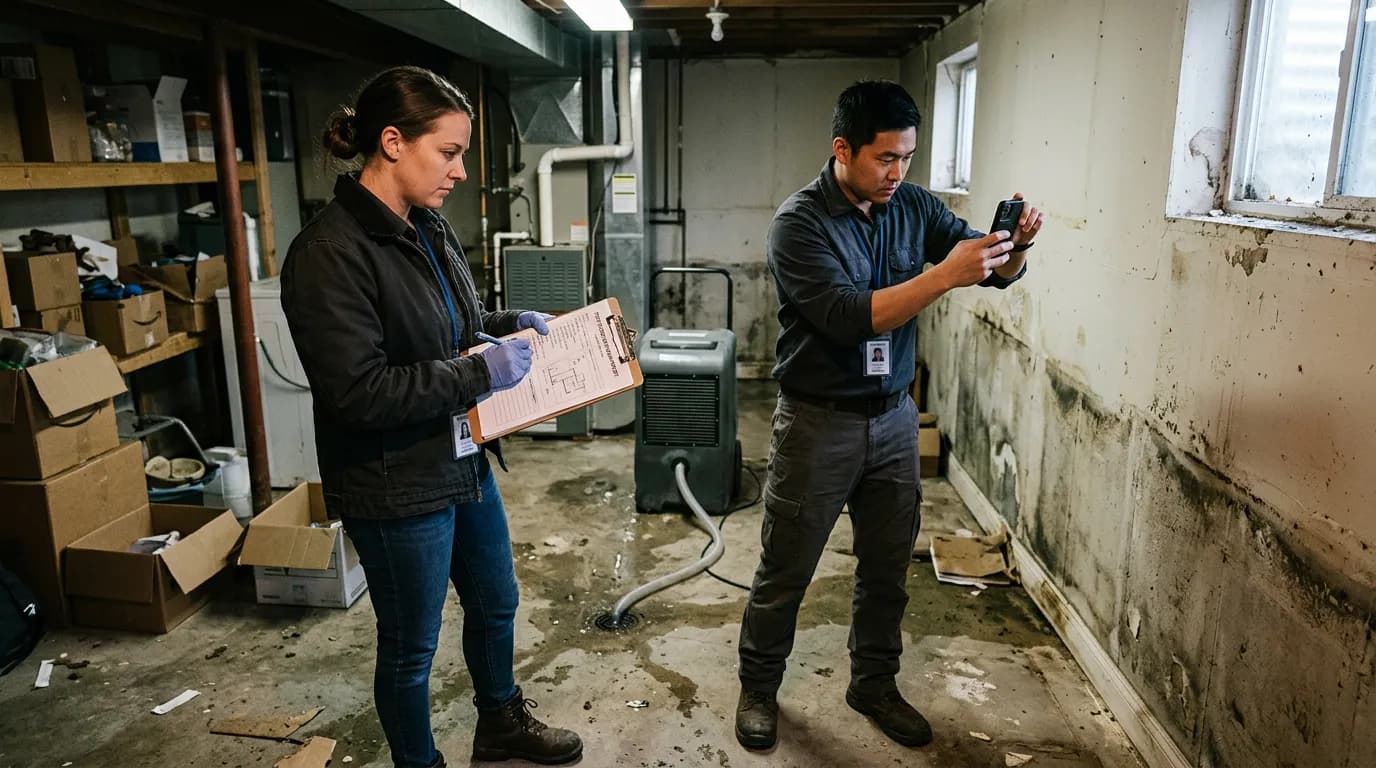
- Document the damage with photos and video before any cleanup
- Report promptly to your insurance company; don't wait
- Get an independent inspection before hiring a remediator; this creates documentation the insurer needs
- Get written itemized quotes; insurers require specific breakdowns
- Confirm coverage limits for mold before work starts
Getting Accurate Quotes
Savannah's mold market has the same mix of quality that you'll find anywhere: qualified professionals alongside companies that cut corners. A few practices help you find the right contractor:
Get at least three quotes. Prices can vary significantly. Three quotes give you a realistic range and help you spot outliers on either end.
Insist on an on-site inspection before any quote. No contractor can accurately price a historic Savannah home's mold problem remotely. The materials, access, and preservation constraints require eyes on the property.
Ask for itemized pricing. Your quote should break out containment, removal, treatment, disposal, and testing separately. Lump-sum quotes make comparison impossible.
Check for experience with historic homes. If your home is in the historic district or has original building materials, ask specifically whether the contractor has worked on similar properties. Ask for references from comparable projects.
Verify credentials. Georgia doesn't require a state mold remediation license, so verification falls to you. Look for IICRC or ACAC certifications and confirm they carry general liability insurance. See our hiring guide and questions to ask for a complete checklist.
More Savannah Mold Resources
- Basement Mold in Savannah: Detailed guide to Savannah's most common and costly mold problem
- Mold After Flooding in Georgia: Critical steps after storm damage or tidal flooding
- Mold Remediation Cost in Atlanta: Compare with Georgia's largest metro market
- National Mold Remediation Cost Guide: Full national context and methodology
Connect with a Verified Professional
Every mold remediation professional we list in Georgia has been verified for insurance, industry certifications, and customer reviews. Savannah's combination of coastal moisture and historic construction means experience matters. Look for contractors who can speak specifically to both.